
Home Food
Category:

Food

Advertising

Australia is a vast and diverse country, and its culinary traditions are equally varied. Across its regions, comfort food is shaped by local produce, climate, history, and cultural influences. From hearty pies and roasts to fresh seafood and bush-inspired dishes, these meals evoke warmth, nostalgia, and connection to place. They are more than sustenance; they are stories on a plate, reflecting family legacies, community values, and the rhythms of life in different corners of the country.

1. Victoria: Savory Pies and Seasonal Roasts

In Victoria, comfort food often centers around hearty pies, roasted meats, and seasonal vegetables. Melbourne and regional towns alike boast bakeries crafting meat pies, pasties, and quiches, often filled with locally sourced beef, lamb, or chicken.

Autumn and winter see tables adorned with roasted root vegetables, pumpkin soups, and casseroles, reflecting the cooler climate and seasonal abundance. Victorian families often gather around these dishes on weekends or special occasions, combining simplicity with flavor, and celebrating local produce.

2. New South Wales: Coastal Comforts

New South Wales, with its extensive coastline, has comfort dishes heavily influenced by seafood. Fresh fish, oysters, prawns, and mussels frequently appear in meals that range from simple grilled preparations to elaborate seafood chowders.

In Sydney and coastal towns, locals enjoy brunches and lunches featuring fish and chips, prawn cocktails, or baked barramundi. Seasonal vegetables, often sourced from nearby farms, complement these dishes, creating balanced meals that reflect both the land and the sea.

Pages: 1 2

Advertising

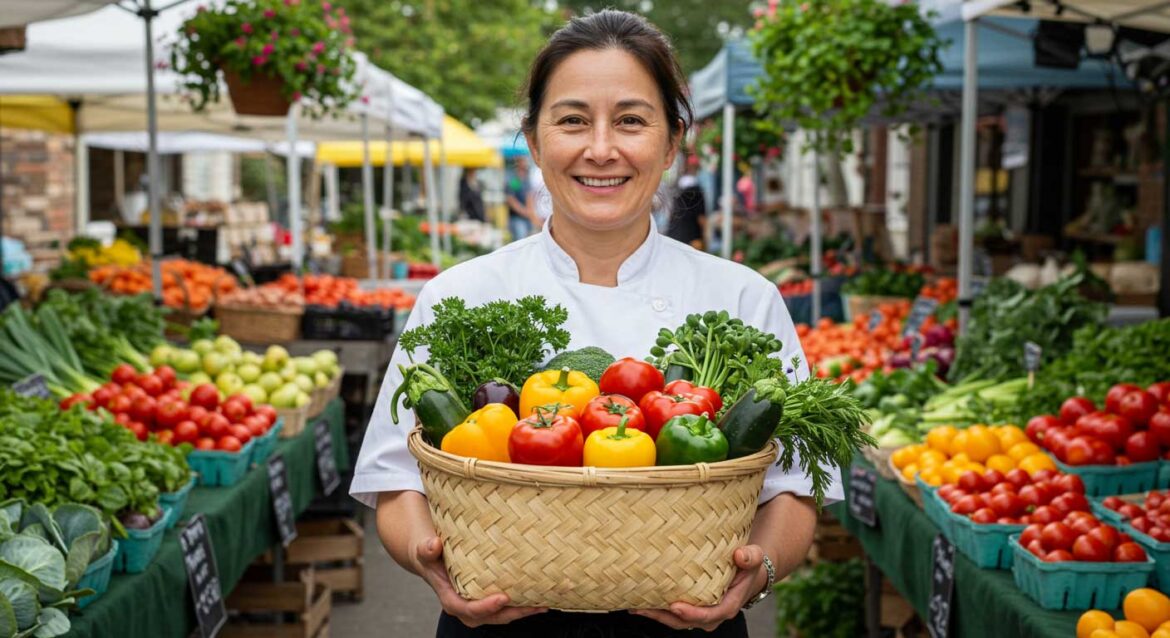
Australia’s farmers’ markets are a treasure trove of fresh produce, artisanal goods, and culinary inspiration. Across cities and towns, these markets celebrate local producers who bring the season’s best ingredients directly to the community. Visiting these markets is more than a shopping trip — it is an exploration of flavors, textures, and stories that connect consumers to the land, the growers, and the culture behind each product. From vibrant vegetables to handmade cheeses, baked goods, and preserves, local markets capture the essence of Australia’s diverse food landscape.

1. The Role of Local Producers

Local producers are the backbone of farmers’ markets. They cultivate fruits and vegetables, raise livestock, and craft specialty products that reflect regional conditions, climate, and heritage. Many small-scale growers focus on organic practices, sustainable farming, and seasonal cycles, ensuring that their produce is fresh, flavorful, and environmentally responsible.

By connecting directly with consumers, local producers share knowledge about cultivation, preparation, and ideal use. This transparency fosters trust and allows shoppers to make informed choices, understanding the journey from farm to table. For Australians, supporting local producers reinforces community ties and strengthens regional economies.

2. Seasonal Fruits and Vegetables

Markets across Australia are a celebration of seasonal produce. Summer brings an abundance of berries, stone fruits, tomatoes, zucchini, and leafy greens. Winter showcases root vegetables, brassicas, and citrus fruits. Autumn and spring offer transitional favorites, including apples, pumpkins, peas, and fresh herbs.

Engaging with local producers allows shoppers to access ingredients at their peak flavor and nutritional value. Markets often include tasting opportunities, cooking tips, and recipes, encouraging home cooks to experiment and incorporate seasonal flavors into everyday meals.

Pages: 1 2

Advertising

Australia’s culinary scene is rich with artisanal bakeries that combine tradition, creativity, and local flavors. While the café culture of urban centers often steals the spotlight, family-owned bakeries hold a special place in communities across the country. These bakeries are more than shops; they are legacies, where recipes are handed down through generations and flour-dusted benches echo with the rhythm of daily life. Visiting them on weekends is not just about picking up a loaf of bread or a sweet treat — it’s about experiencing heritage, craftsmanship, and the warmth of local culture.

1. Melbourne: Tradition Meets Innovation

Melbourne’s bakeries are often at the forefront of culinary trends while maintaining time-honored techniques. Family-owned establishments such as Lune Croissanterie in Fitzroy or Brunetti in Carlton combine artisanal precision with creative flair.

At Lune, bakers experiment with laminated doughs and unique fillings, transforming the humble croissant into a work of art, while Brunetti balances classic European recipes with local ingredients. Weekends here are lively, with locals and visitors alike queuing for their favorite pastries, indulging in fresh coffee, and soaking in the bustling atmosphere. In Melbourne, bakeries are hubs of social interaction as much as they are culinary destinations.

2. Sydney: Neighborhood Charm and Coastal Influence

Sydney’s family bakeries often embody neighborhood charm, tucked away in laneways or along busy streets. Bakeries like Bourke Street Bakery in Surry Hills or Sonoma Bakery in Neutral Bay are known for their dedication to freshness, quality, and seasonal ingredients.

Weekend visits often involve leisurely exploration: grabbing a freshly baked loaf, tasting pastries filled with local fruits, and enjoying coffee brewed on site. Sydney bakeries reflect the city’s coastal lifestyle, with airy spaces, open kitchens, and an emphasis on light, flavorful options. Fresh sourdough, croissants, and tarts are staples, alongside creative additions like citrus-infused desserts or native bushfood-inspired pastries.

Pages: 1 2

Advertising

Australian cooking is deeply connected to the seasons, the local landscape, and a growing focus on fresh, sustainable produce. Across the country, chefs, home cooks, and food enthusiasts embrace ingredients at their peak, celebrating flavors, textures, and nutrition that change with the calendar. Seasonal eating not only enhances taste but also supports local farmers, reduces environmental impact, and encourages creativity in the kitchen. From tropical fruits in the north to root vegetables in cooler southern regions, seasonal ingredients play a defining role in everyday Australian meals.

1. Summer: Vibrancy and Freshness

Summer in Australia is a season of abundance, particularly for fruits, vegetables, and seafood. Bright flavors and light meals dominate the table, as residents seek refreshing dishes to combat heat.

Berries — strawberries, blueberries, raspberries, and blackberries — are abundant and often used in desserts, breakfast bowls, or salads. Stone fruits like peaches, nectarines, and plums add sweetness to both savory and sweet dishes. Tomatoes, zucchini, cucumbers, and leafy greens thrive in summer gardens, featuring prominently in salads, salsas, and light pasta dishes.

Seafood also shines in summer. Prawns, oysters, and barramundi are staples for backyard barbecues, beach picnics, and casual dinners. Herbs like basil, mint, and coriander grow plentifully, enhancing flavor without heavy sauces or cooking. Summer ingredients in Australia encourage bright, clean flavors, emphasizing freshness over complexity.

Pages: 1 2

Advertising

Coffee culture is more than just a daily caffeine fix in Australia — it is a ritual, a social glue, and an art form. Each city brings its own personality, local flavors, and interpretations to the humble cup, creating a tapestry of experiences that celebrate both tradition and innovation. From the bustling streets of Melbourne to the sunlit beaches of Brisbane, Australians have developed unique ways of enjoying coffee, reflecting regional tastes, lifestyles, and the creative ingenuity of local baristas.

Melbourne: The Art of Espresso and Specialty Coffee

Melbourne is often regarded as the heart of Australia’s coffee scene. Its cafes are characterized by meticulous espresso preparation, artisan brewing techniques, and a devotion to high-quality beans sourced from around the world. The city’s café culture emphasizes both precision and experimentation, from classic flat whites to avant-garde pour-overs.

In Melbourne, morning coffee is a ritual that blends routine with artistry. Cafes often open early, inviting residents to start their day with carefully crafted beverages, fresh pastries, and a moment of reflection. Seasonal beans, single-origin roasts, and alternative milk options demonstrate the city’s sophisticated palate. Socially, coffee is both a companion and a conversation starter; locals often linger, appreciating the subtle nuances of their drink while connecting with friends or colleagues.

Pages: 1 2

Advertising