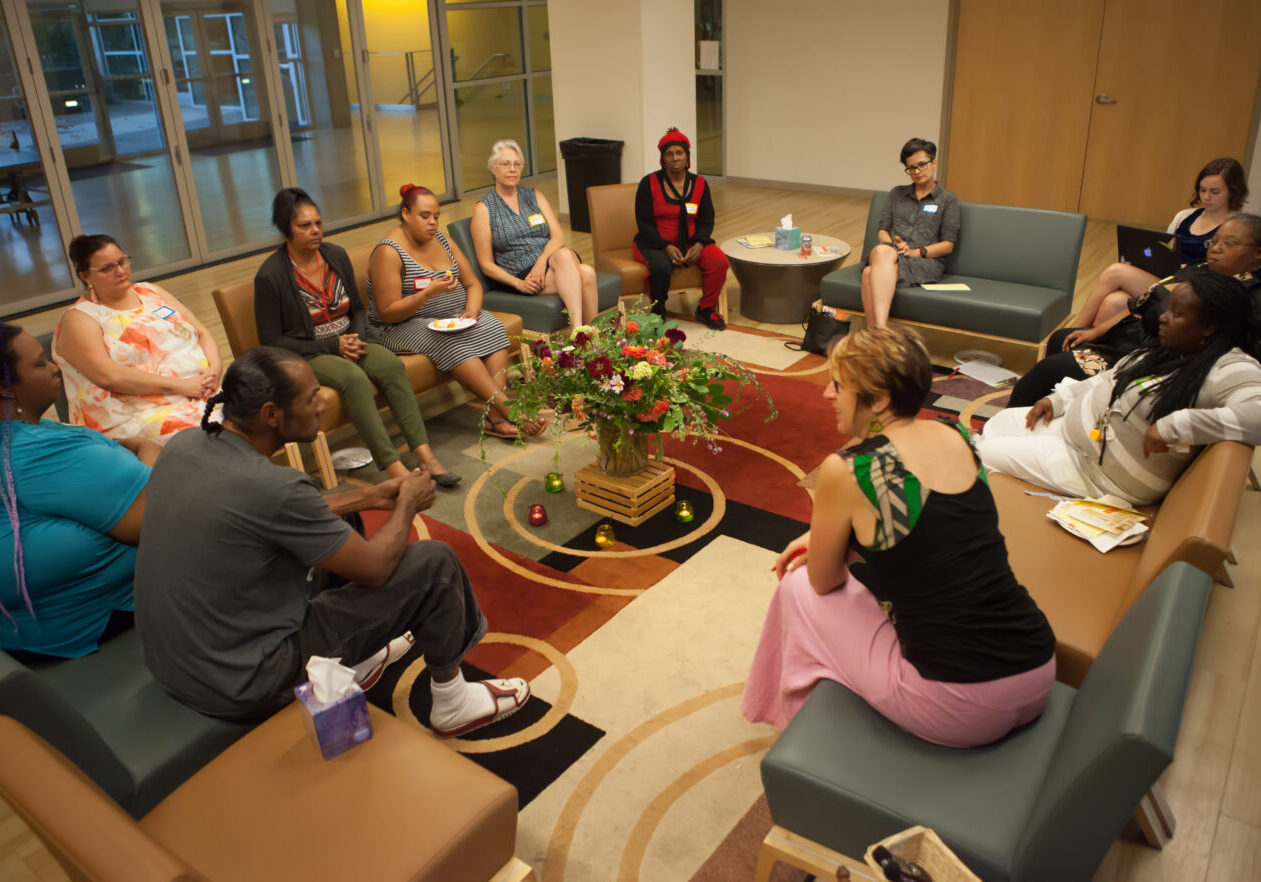
Across Australia, storytelling is more than a pastime — it is a vital way for communities to connect, preserve history, and strengthen bonds. Storytelling circles, in particular, have gained prominence as intimate gatherings where people of all ages and backgrounds come together to share personal experiences, local legends, and cultural narratives. These events celebrate the power of oral history, offering a platform for voices that might otherwise remain unheard, and fostering a sense of belonging and collective memory.
Advertising
1. The Essence of Storytelling Circles
Storytelling circles are gatherings built on openness and respect. Participants take turns sharing stories, whether humorous, poignant, or reflective, while listeners engage with empathy and curiosity. Unlike lectures or formal presentations, these circles emphasize dialogue and mutual exchange rather than performance, creating a safe space for expression.
The circle format symbolizes equality — every voice is valued, and the act of listening is as important as speaking. This structure nurtures trust, encourages honesty, and allows participants to explore personal or community histories in a supportive environment.
2. Preserving Local History
Many storytelling circles focus on capturing and preserving local history. Older residents recount life in the town, recalling events, traditions, and community changes over decades. These narratives, often informal and anecdotal, provide insights into daily life, work, celebrations, and challenges, enriching the historical record with personal perspectives.
In regions like Tasmania, rural Victoria, or the Northern Territory, storytelling circles have become crucial in recording histories that might not exist in written archives. These stories help younger generations understand the evolution of their communities, preserving collective memory in a living, participatory way.