Home Outdoors
Category:

Outdoors

Advertising

Autumn in Australia is a season of subtle transformation, a quiet interlude between the intensity of summer and the chill of winter. Across the nation’s national parks, this period offers a unique combination of mild temperatures, fewer crowds, and changing natural colors, making it an ideal time for exploration. From the eucalyptus-scented forests of Victoria to the rugged gorges of Western Australia, autumn invites travelers to experience national parks in a more intimate and contemplative way.

Milder Temperatures for Comfortable Exploration

One of the main reasons autumn is perfect for visiting national parks is the climate. Summer in Australia can be extreme, with soaring temperatures, strong sun, and in some regions, the risk of bushfires. In contrast, autumn brings cooler, more manageable conditions. Walks along the Blue Mountains’ cliff-lined trails, the Grampians’ rugged paths, or Tasmania’s Cradle Mountain boardwalks become far more comfortable.

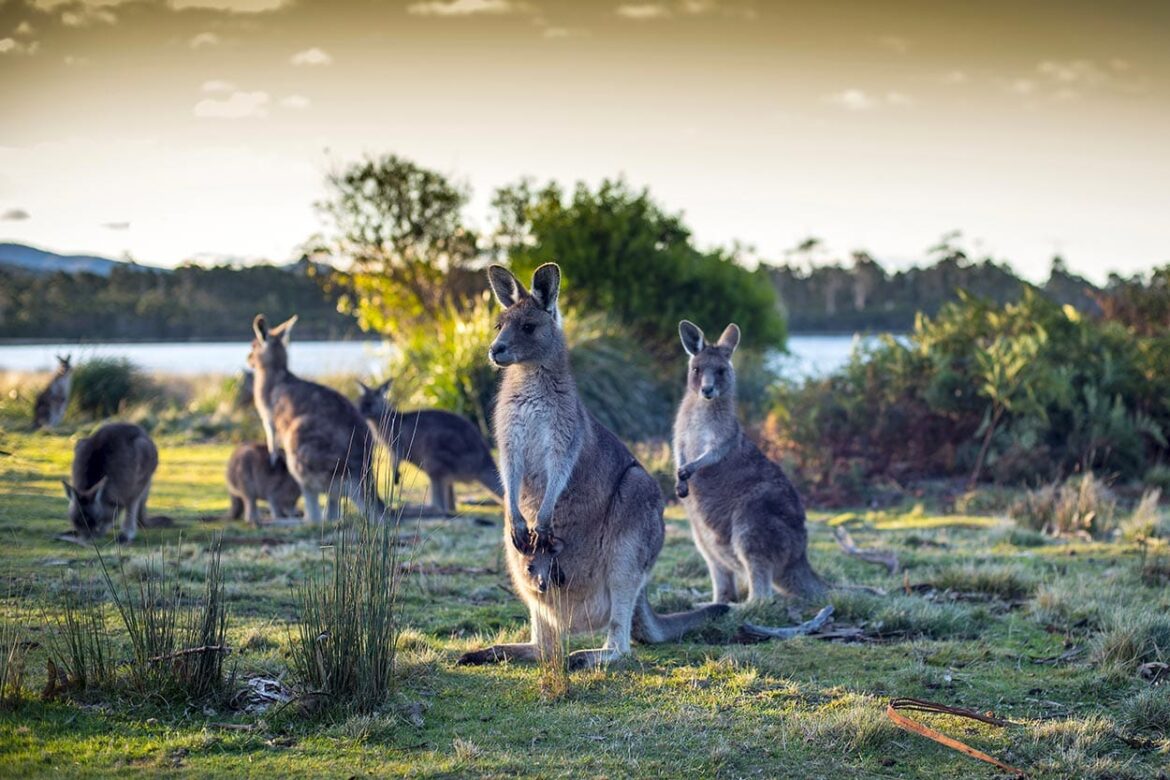
Mornings are crisp, often accompanied by low-lying fog in valleys, creating ethereal landscapes where forests appear shrouded in mist and rivers reflect muted skies. Afternoons are warm but rarely oppressive, ideal for extended hikes or scenic drives. Wildlife is more active during these temperate hours, increasing the chances of spotting kangaroos grazing in open fields, wallabies moving quietly through bushland, or birds flitting among colorful leaves.
Pages: 1 2

Advertising

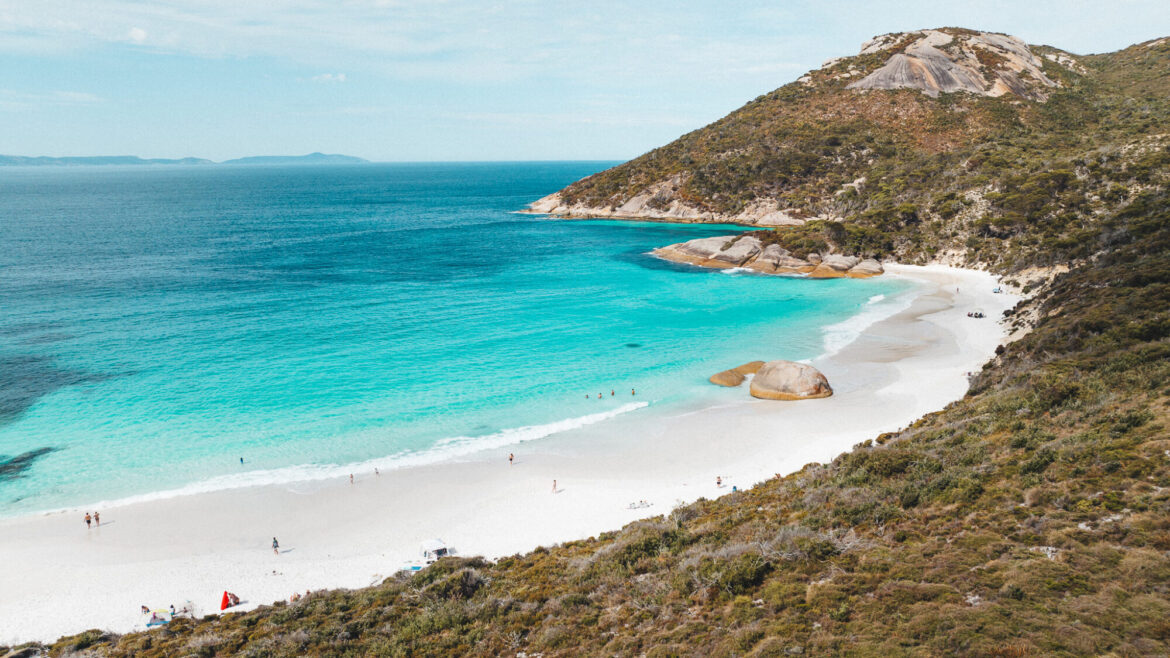
Western Australia’s coastline is often celebrated for its vast, sun-drenched beaches and world-renowned surf breaks, yet beyond these iconic destinations lie hidden bays that invite a slower, more reflective experience. These quieter stretches of water offer a perfect counterpoint to the rush of everyday life — spaces where travelers can linger, watch the tide, explore coves, and immerse themselves in natural beauty without distraction. Slow travel in these bays is about more than just a change of pace; it’s about noticing the subtle rhythms of the coast, observing wildlife, and feeling fully present in a landscape that feels almost untouched.

1. Eagle Bay, Margaret River Region

Eagle Bay, nestled near the southern reaches of the Margaret River region, is a serene escape from the busier nearby beaches. The bay is sheltered by limestone headlands, creating a calm, turquoise lagoon ideal for swimming, paddleboarding, or simply watching waves lap against the sand. Early mornings are magical here, when mist hovers lightly over the water and the first light of day glints off the wet sand.

Slow travel at Eagle Bay involves lingering walks along the shoreline, observing birds feeding at the water’s edge, or pausing at small rock pools to watch crabs scuttle and fish dart. The bay’s quiet charm is enhanced by minimal commercial development, allowing visitors to feel like they are stepping into a private sanctuary. For those who appreciate gentle adventures, renting a kayak or simply sitting and reading on a sun-warmed rock offers a fully immersive experience of place and time.

Pages: 1 2

Advertising

Kayaking is one of those experiences that blends exhilaration, serenity, and a deep sense of connection to nature. Gliding across calm waters, surrounded by untouched landscapes, gives a perspective that few other outdoor activities can offer. For beginners, however, choosing the right route is key. The balance between safety, scenery, and a manageable challenge transforms a first outing from an anxious experiment into an unforgettable adventure. Fortunately, Australia offers numerous waterways perfectly suited for novice paddlers, where gentle currents, sheltered bays, and stunning vistas combine to build both confidence and enjoyment.

1. Noosa Everglades, Queensland

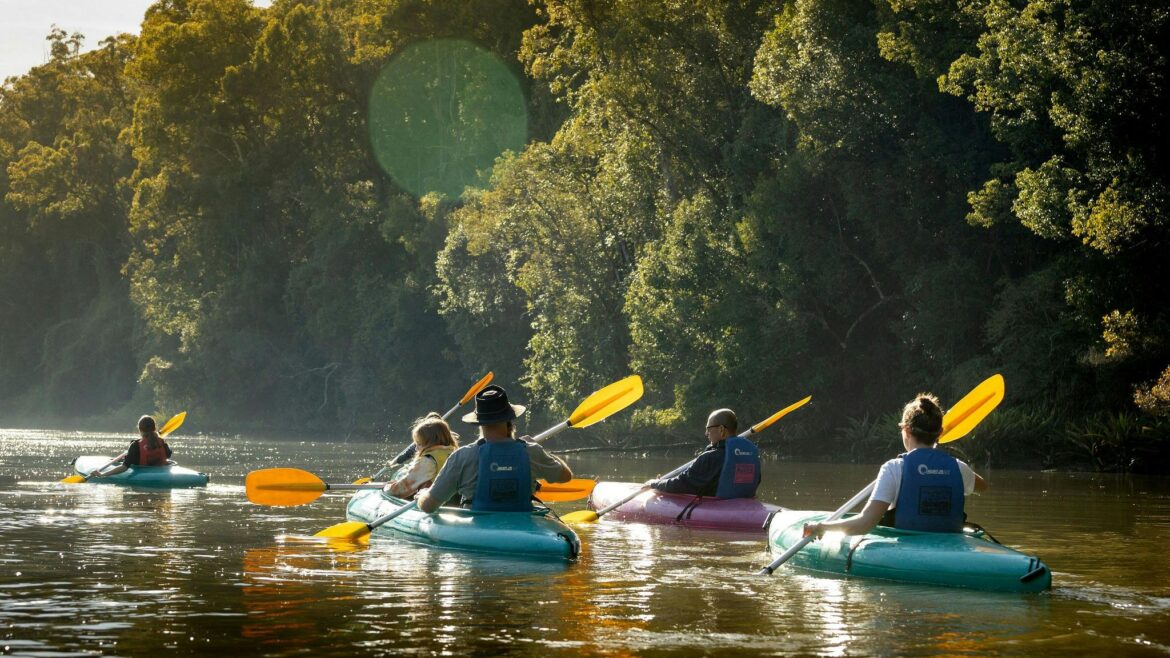
The Noosa Everglades are a hidden gem for kayaking beginners. Often referred to as one of only two everglades systems in the world, this network of calm, tea-colored waterways winds through paperbark forests and wetlands alive with wildlife. Early mornings are ideal; the water is smooth, the air is cool, and the birds are active. Black swans glide silently by, kingfishers dart along the edges, and the occasional rainbow lorikeet flashes brilliant color through the canopy.

Routes here are flexible, ranging from short loops near the launch points to extended explorations that take a few hours. Because the water is sheltered and current is minimal, beginners can focus on learning paddle technique, maintaining balance, and enjoying the surroundings without stress. Even minor waves caused by passing boats rarely disturb the overall tranquility. For a beginner, the combination of serene water, abundant wildlife, and a variety of route lengths creates a gentle yet memorable introduction to kayaking.

2. Pittwater, New South Wales

North of Sydney, Pittwater offers calm estuarine waters perfect for novice kayakers. The area is surrounded by forested ridges, small beaches, and quiet coves, providing both scenic beauty and a safe environment. Launching from Palm Beach or Church Point, beginners can explore sheltered waters while remaining close to shore, which offers an added layer of security.

Pittwater is also notable for its historical and cultural context. Aboriginal heritage sites are scattered along the shoreline, and informative signage marks areas of ecological significance. Paddlers often spot dolphins, pelicans, and black swans along the way, making wildlife observation an integral part of the experience. Because the waters are typically protected from strong ocean swells, even a novice can navigate the area confidently while still feeling immersed in nature. Local kayaking tours often provide guidance and safety equipment, but self-guided paddling is entirely feasible for those who prefer a slower, independent pace.

Pages: 1 2

Advertising

Tasmania is a land where nature feels immediate and intimate, where every coastline carries a sense of untamed beauty. The island’s shores, from secluded sandy coves to rugged headlands, provide some of the most rewarding wildlife-watching experiences in Australia. Unlike the crowded safari parks or guided reserves of the mainland, Tasmania offers moments of quiet observation, where gentle encounters with local fauna are often unscripted, unhurried, and deeply memorable.

The key to these experiences is timing. Early morning or late afternoon, when the light softens and human activity is minimal, offers the most rewarding interactions. During these periods, animals are active, visible, and often more relaxed, providing opportunities to observe natural behaviors without intrusion. The island’s relatively low population density and widespread protected areas create an environment where wildlife can be approached with care, rather than startled by frequent human presence.

Secluded Beaches and Curious Creatures

Tasmania’s coastlines vary dramatically. Along the eastern shores, such as the Freycinet Peninsula, soft sand beaches meet crystal-clear waters, often bordered by pink granite formations. Walkers are greeted by the tracks of local wildlife — the footprints of wallabies weaving through dunes, the occasional paw prints of the elusive quoll, or the delicate impressions left by seabirds. Short detours into dune systems or bush patches can reveal shy echidnas rooting through leaf litter or small lizards basking on warm rocks.

At Wineglass Bay, the climb to the lookout is popular, but along the less-trodden coves, walkers often find themselves sharing the beach with black-faced cormorants and little penguins returning from the sea. Observing these creatures requires patience: stand still, keep voices low, and allow animals to carry on with their routines. In these moments, the rhythm of the natural world unfolds almost theatrically, as if the shoreline itself were a stage.

Pages: 1 2

Advertising

Australia’s coastline has always held a special kind of magic. From golden beaches to rocky cliffs, winding paths, and hidden coves, the coast invites exploration at a pace that allows both body and mind to unwind. Weekend mornings, in particular, are the ideal time to immerse yourself in these landscapes. The air is crisp, the sun is gentle, and the world feels quietly alert, yet unhurried. Coastal trails, whether tucked near urban centers or stretching along more remote shores, offer an intimate way to connect with both the natural environment and your own rhythm.

1. Manly to Spit Bridge Walk, Sydney

Sydney’s Manly to Spit Bridge walk is one of the city’s most celebrated coastal trails, spanning approximately 10 kilometers through lush bushland and stunning water views. Early on a Saturday morning, the path is calm, with only a few joggers and dog walkers greeting the rising sun. The trail meanders past secluded beaches and sandstone cliffs, offering vantage points over the Pacific where ferries drift lazily through sparkling water.

Along the way, native birds — lorikeets, cockatoos, and kookaburras — punctuate the stillness with calls that echo through the trees. Small bays, like Clontarf and Reef Beach, appear like secret gems along the route. A short pause here allows walkers to watch kayakers paddle by and notice how sunlight glances off the water in fleeting, glittering patterns. Though the trail is popular, starting early ensures that it feels like a private escape, with the surrounding bushland softening the distant hum of the city.

2. Bondi to Coogee Coastal Walk, Sydney

Few walks are as iconic as Bondi to Coogee, but there’s more to it than its reputation. Early morning brings a different perspective — the usual crowds of tourists and Instagrammers are replaced by surfers carrying boards and locals enjoying pre-work runs along the cliff edges. The sun casts a warm glow over Bondi Beach’s white sand before it intensifies into the afternoon heat.

The trail offers diverse scenery: rugged cliffs that rise sharply from the ocean, quiet coves tucked between sandstone rocks, and stretches of golden sand that invite short detours. Sculpture, art installations, and rock pools add layers of interest, and early light creates reflections in tidal pools that are easily missed later in the day. Cafes along the route, such as those near Bronte, begin opening as walkers finish sections, allowing for a well-earned coffee with a view of the surf.

Pages: 1 2

Advertising