Home Design
Category:

Design

Advertising

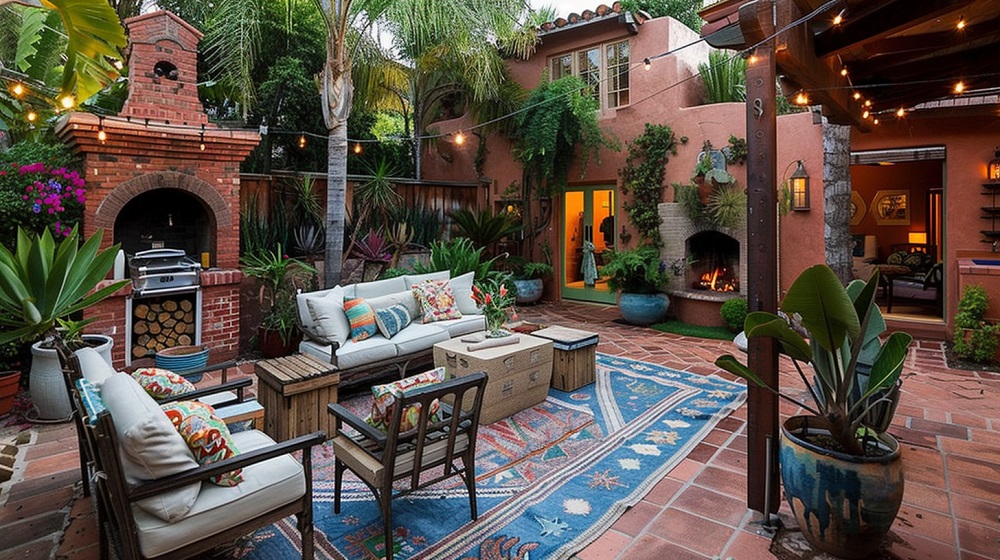
Backyards in Australia are evolving. No longer are they simply patches of grass or spaces for occasional barbecues — they have become extensions of the home, fully integrated outdoor rooms that serve as dining areas, lounges, play zones, or even workspaces. Modern Australian design embraces the idea that outdoor living can be functional, stylish, and closely connected to nature, blurring the line between interior and exterior. By rethinking the backyard as a dynamic, adaptable space, homeowners create areas that are both practical and inspiring, reflecting contemporary lifestyle and climate-conscious design.

1. Defining Outdoor Rooms

An outdoor room is more than a garden or patio; it is a deliberate space designed for specific activities. Just as indoor rooms have furniture, lighting, and purpose, outdoor rooms are carefully curated with seating, surfaces, shading, and décor. Australian architects and landscape designers increasingly treat the backyard as an additional living area, offering zones for cooking, entertaining, relaxing, or contemplation.

Outdoor rooms can be formal or informal, open or enclosed, but they share one key principle: intentionality. Every element — from the layout to materials and lighting — is chosen to maximize comfort, usability, and aesthetic appeal. This approach transforms the backyard into a functional extension of the home rather than an afterthought.

Pages: 1 2

Advertising

Modern Australian interiors are known for their balance of elegance, warmth, and natural charm. Across urban apartments, coastal homes, and rural retreats, designers prioritize textures and materials that create a sense of connection to the environment, support comfort, and provide visual interest. The Australian approach blends functionality with tactile appeal, emphasizing natural finishes, sustainability, and a subtle interplay between softness and structure. Understanding the textures and materials that define contemporary Australian interiors provides insight into the nation’s distinctive design sensibilities.

1. Timber: Warmth and Versatility

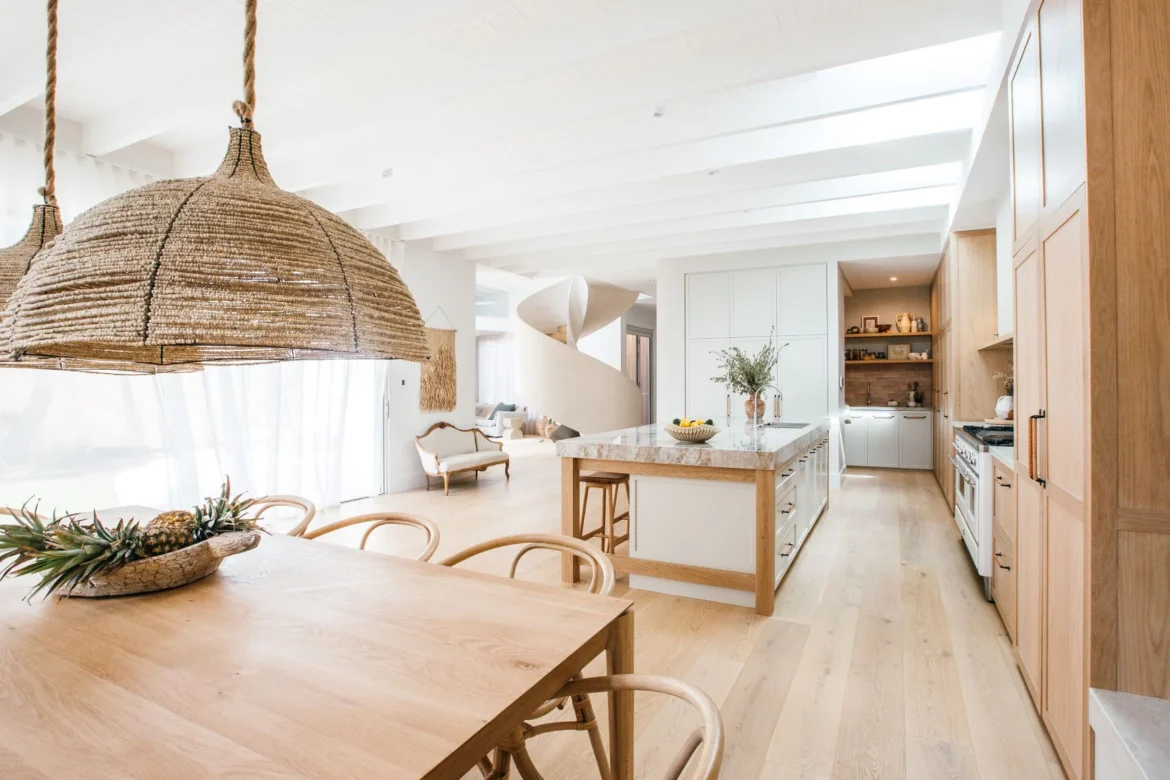
Timber is arguably the most celebrated material in Australian interiors. From light-colored hardwoods like Tasmanian oak and jarrah to darker, richer tones like blackbutt and spotted gum, timber adds warmth, character, and tactile appeal to any space. Its versatility allows it to be used for flooring, furniture, wall panels, ceiling beams, and shelving.

In modern interiors, timber is often paired with neutral tones, soft fabrics, and clean lines to achieve a sophisticated yet relaxed look. Exposed timber beams or polished timber floors can anchor a room, while veneer finishes on cabinetry or tables provide subtle textural variation. Timber’s natural grain and variations in tone bring a sense of organic beauty, ensuring each piece feels unique and tied to its environment.

Pages: 1 2

Advertising

Living in smaller homes or apartments has become increasingly common in Australia’s urban and coastal areas. While limited square footage can pose challenges, it also encourages creativity. One of the most satisfying aspects of designing for small spaces is integrating storage solutions that feel organic and unobtrusive. Clever storage doesn’t just hide clutter — it enhances the sense of space, emphasizes light and flow, and can even become an aesthetic feature. Australian designers and homeowners are leading the way in creating interiors that are functional, beautiful, and harmoniously natural.

1. Built-In Storage That Blends Seamlessly

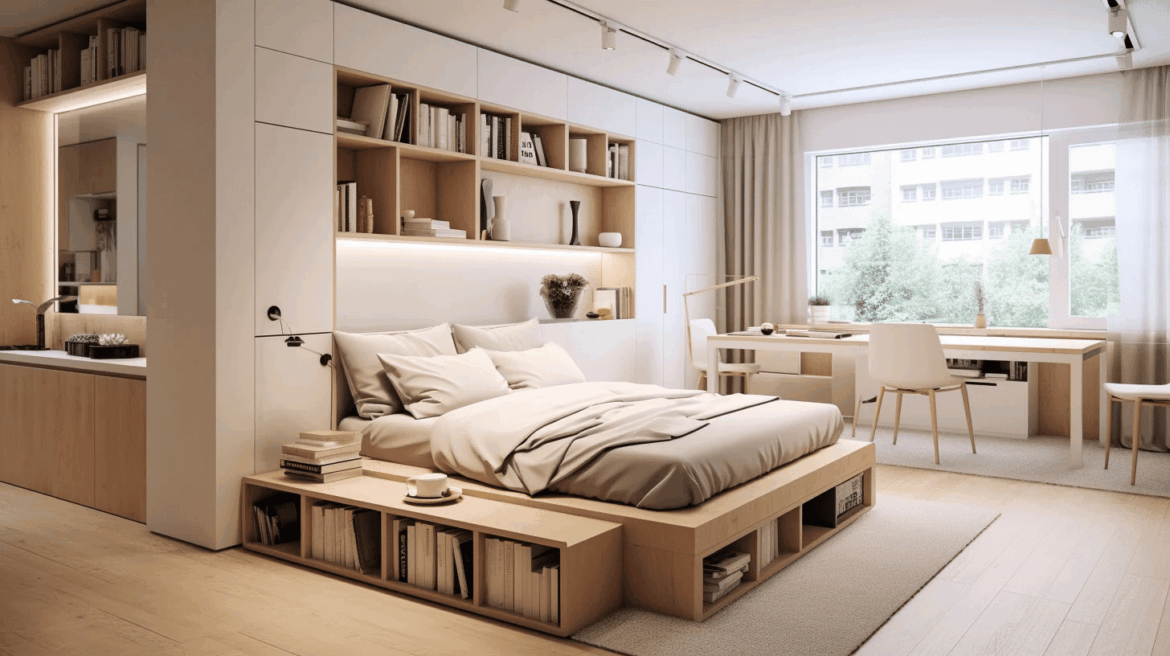
One of the most effective strategies for small spaces is custom-built storage. Unlike freestanding cupboards or shelves, built-ins are tailored to the dimensions of a room, maximizing every inch of space. They can be integrated into walls, under stairs, or along window alcoves, creating a streamlined look that eliminates awkward gaps and bulky furniture.

Australian homes often feature timber built-ins, which not only provide warmth and texture but also connect the interior to the natural environment. Floor-to-ceiling shelving can house books, decorative objects, and essential items without feeling cluttered. In bedrooms, built-in wardrobes with sliding doors keep personal items out of sight, while in kitchens, recessed cabinetry ensures that even small pantries feel open and accessible.

Pages: 1 2

Advertising

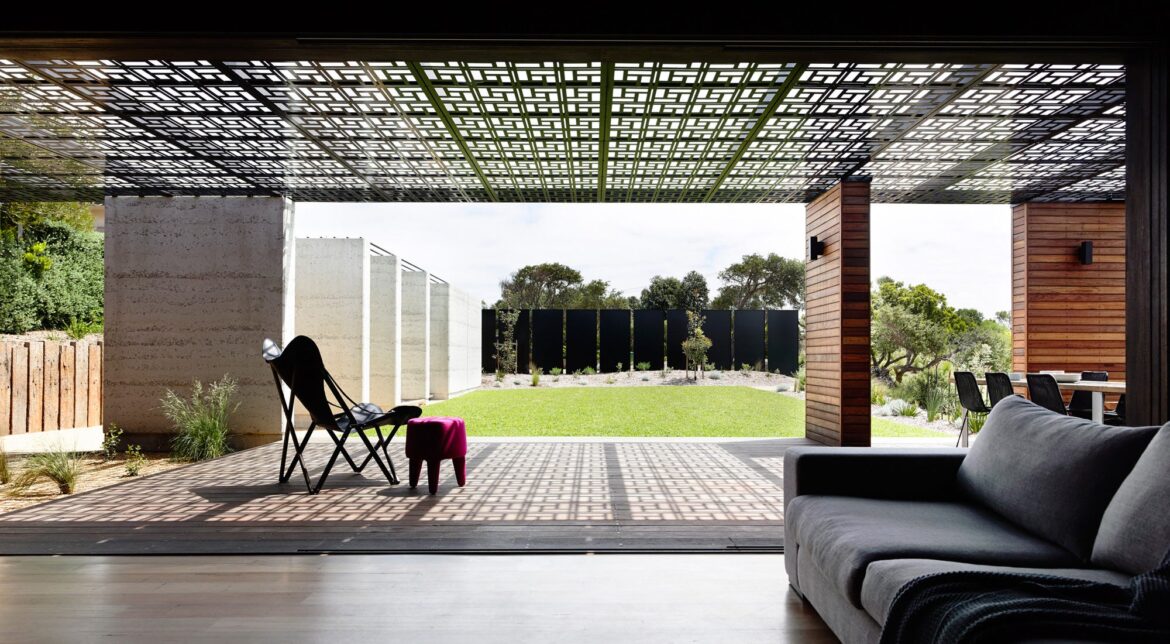
Light and shade are not just functional elements in architecture; they are tools that shape how we experience a space. In Australia, local architects have mastered the delicate interplay between natural sunlight, shadows, and interior environments, creating homes and public spaces that are not only visually striking but also comfortable and energy-efficient. From the arid outback to bustling coastal cities, the Australian context — with its intense sun, variable climate, and diverse landscapes — has led architects to develop a nuanced understanding of how light and shade can enhance design, influence mood, and connect people to their surroundings.

Understanding the Role of Natural Light

Australian architects recognize that natural light is both a resource and a challenge. Bright, abundant sunlight is a defining characteristic of the continent, offering opportunities to illuminate spaces, highlight textures, and bring warmth to interiors. At the same time, unfiltered sunlight can create glare, overheating, and fading of materials, especially in regions with harsh UV exposure.

To manage these challenges, architects design spaces that harness the sun’s energy while mitigating its intensity. Large, strategically placed windows, clerestory openings, and skylights allow light to penetrate deeply, creating a sense of openness and continuity with the outdoors. In living areas, these designs ensure that natural light can enhance everyday activities — from reading and cooking to working and socializing — while reducing dependence on artificial lighting.

Pages: 1 2

Advertising

Australia’s coastal lifestyle has long influenced not only leisure and tourism but also the way people design their homes. The rhythm of the ocean, the colors of the surf and sand, and the openness of expansive beaches inspire residential architecture that blends functionality with aesthetic appeal. Coastal-inspired homes are not just about proximity to the beach; they reflect a design philosophy rooted in light, space, and harmony with the natural environment. From subtle nods to nautical elements to full-scale architectural interpretations of marine landscapes, Australian homes along the coast embrace features that capture the spirit of the shoreline.

Open, Airy Layouts

One of the defining features of coastal-inspired homes is an emphasis on openness. Floor plans often incorporate wide, flowing spaces that allow natural light to permeate interiors. Large windows, sliding glass doors, and even entire walls of glass create seamless transitions between indoors and outdoors. In practical terms, this means living areas extend visually — and sometimes physically — into decks, patios, and gardens, offering continuous connection to sunlight, ocean views, and fresh air.

Open-plan kitchens and living rooms also encourage social interaction and flexibility, reflecting the relaxed, communal lifestyle often associated with coastal living. Lightweight furnishings, natural textures, and unobtrusive room divisions reinforce this sense of freedom and fluidity, evoking the expansive feeling of beaches and open skies.

Pages: 1 2

Advertising