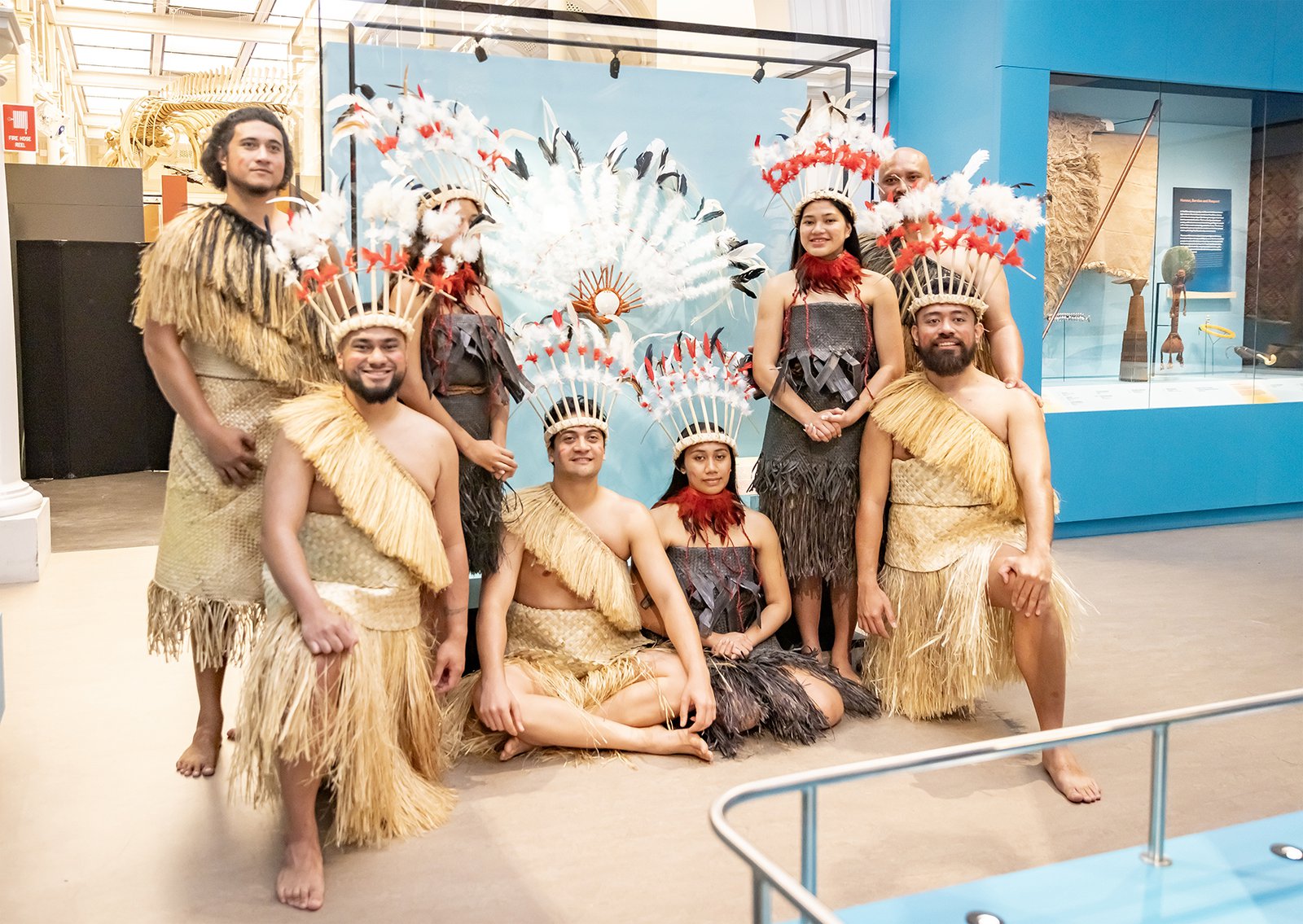
Australia’s museums are more than repositories of history and art; they are windows into the daily lives, routines, and cultural practices that have shaped the nation. While iconic exhibitions often focus on famous figures or landmark events, there is a growing trend toward exploring ordinary life — the foods, fashions, technologies, and social habits that defined communities across generations. These exhibitions offer insight into how Australians have lived, worked, and celebrated, connecting past and present in ways that feel personal, tangible, and immediate.
Advertising
1. Capturing Domestic Life
One key focus of such exhibitions is domestic life. Objects like vintage kitchen appliances, furniture, clothing, and household tools tell the story of how Australians managed homes, prepared meals, and raised families.
Museums often recreate historical domestic environments, allowing visitors to step into a 1950s kitchen, a Victorian parlor, or a contemporary home office. These immersive displays highlight how design, technology, and social expectations have evolved. By engaging with everyday objects, visitors gain an understanding of the routines, challenges, and innovations that shaped ordinary Australian households.
2. Food, Farming, and Markets
Exhibitions exploring everyday life frequently spotlight food and agriculture. Artifacts such as kitchenware, market stalls, and farm tools illustrate how Australians have sourced, prepared, and consumed food over the decades.
Seasonal produce, home gardens, and community markets often feature as key themes, reflecting the importance of sustainability, local economies, and regional diets. Some museums offer interactive experiences, allowing visitors to see traditional cooking methods in action or taste historical recipes recreated from archival records. These exhibits reveal how food traditions are intertwined with culture, climate, and regional identity.