Home Culture
Category:

Culture

Advertising

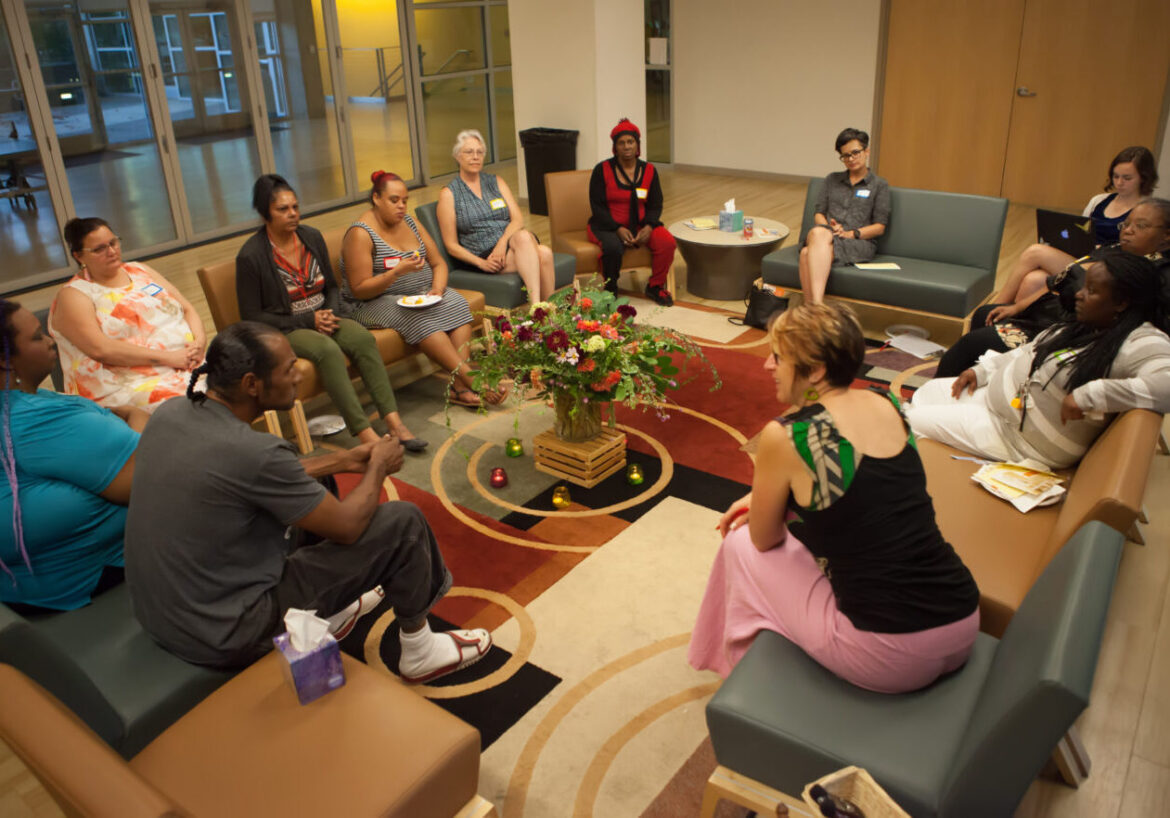
Across Australia, storytelling is more than a pastime — it is a vital way for communities to connect, preserve history, and strengthen bonds. Storytelling circles, in particular, have gained prominence as intimate gatherings where people of all ages and backgrounds come together to share personal experiences, local legends, and cultural narratives. These events celebrate the power of oral history, offering a platform for voices that might otherwise remain unheard, and fostering a sense of belonging and collective memory.

1. The Essence of Storytelling Circles

Storytelling circles are gatherings built on openness and respect. Participants take turns sharing stories, whether humorous, poignant, or reflective, while listeners engage with empathy and curiosity. Unlike lectures or formal presentations, these circles emphasize dialogue and mutual exchange rather than performance, creating a safe space for expression.

The circle format symbolizes equality — every voice is valued, and the act of listening is as important as speaking. This structure nurtures trust, encourages honesty, and allows participants to explore personal or community histories in a supportive environment.

2. Preserving Local History

Many storytelling circles focus on capturing and preserving local history. Older residents recount life in the town, recalling events, traditions, and community changes over decades. These narratives, often informal and anecdotal, provide insights into daily life, work, celebrations, and challenges, enriching the historical record with personal perspectives.

In regions like Tasmania, rural Victoria, or the Northern Territory, storytelling circles have become crucial in recording histories that might not exist in written archives. These stories help younger generations understand the evolution of their communities, preserving collective memory in a living, participatory way.

Pages: 1 2

Advertising

Australia’s small towns are rich with artisanal talent, where local artists and craftspeople carry forward traditions that have been nurtured over generations. These communities often operate away from the glare of major cities, allowing their work to maintain authenticity, patience, and personal connection. From hand-thrown ceramics and woven textiles to woodworking and metalwork, small-town artists preserve techniques and designs that might otherwise be lost, ensuring that Australia’s cultural heritage continues to thrive in contemporary forms.

1. The Value of Craft in Small Communities

Craft in small towns goes beyond aesthetic appeal; it is a reflection of identity, place, and shared history. Artists often draw inspiration from their surroundings — the landscape, climate, and local materials inform the colors, textures, and forms of their work.

The pace of small-town life allows for meticulous attention to detail, experimentation, and mastery of techniques that require time and dedication. These crafts become a medium for storytelling, preserving the traditions, myths, and histories of the region while connecting with new generations of admirers.

2. Ceramics and Pottery

Handcrafted ceramics are a prominent example of small-town craftsmanship. In regions like the Yarra Valley in Victoria or the Southern Highlands in New South Wales, local potters create everything from functional kitchenware to decorative art pieces.

These works often combine traditional methods, such as wheel-throwing and kiln firing, with modern aesthetics. The textures of glazes, the subtle variations of clay, and the imperfections inherent in handmade items give each piece a unique character that resonates with buyers seeking authenticity.

Pages: 1 2

Advertising

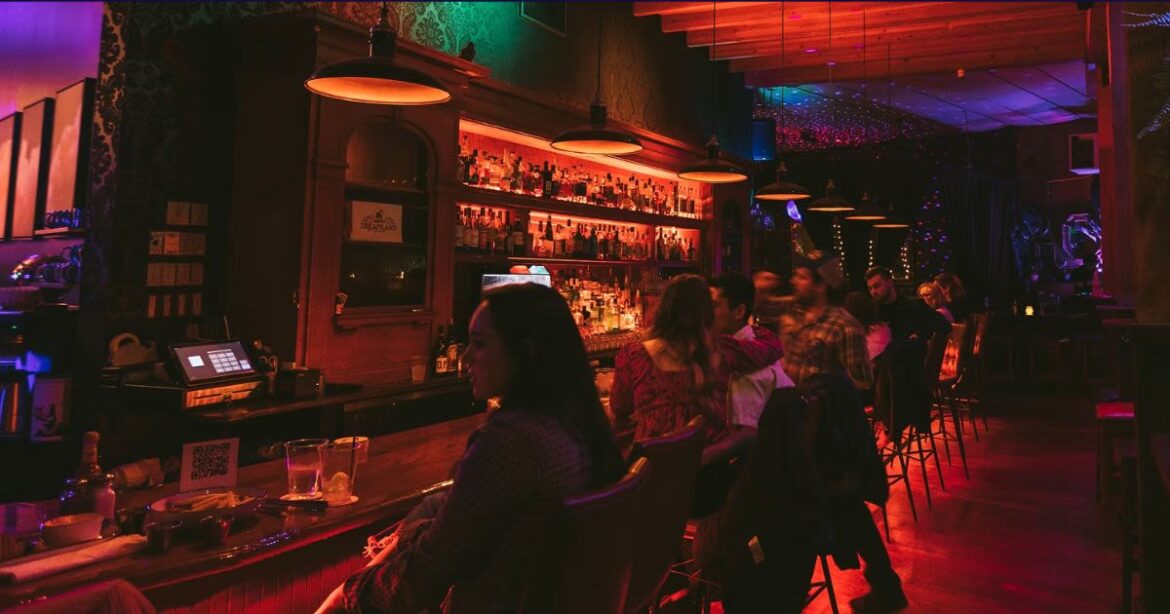
Australia’s music scene is as diverse as its landscapes, and much of its vibrancy comes from intimate, local venues that prioritize community, creativity, and connection. These spaces are not sprawling arenas or commercialized concert halls; they are cozy pubs, converted warehouses, café stages, and small clubs where musicians and audiences share a close, informal experience. Visiting such spaces allows music lovers to engage with local talent, discover emerging artists, and enjoy performances in settings that feel personal, welcoming, and alive.

1. The Appeal of Intimacy

Local music venues offer a unique intimacy that larger venues cannot replicate. In these spaces, audience members are close to the performers, creating a shared energy that enhances the experience. Musicians can interact directly with the crowd, often adapting their performance based on real-time reactions.

This intimacy allows for a deeper connection with the music itself, as subtleties in tone, rhythm, and improvisation become more noticeable. The casual setting also removes barriers between performers and audience, fostering an inclusive environment where everyone feels part of the experience.

2. Melbourne’s Laneway Gems

Melbourne is known for its thriving laneway culture, and its music scene thrives in small, tucked-away venues. Cafés, bars, and converted warehouses host live sets ranging from jazz and blues to indie rock and experimental sounds.

Venues like The Night Cat in Fitzroy or Bar Open in the city center offer warm, relaxed atmospheres where musicians can experiment, and audiences can appreciate the music without the distractions of commercial entertainment. The city’s culture of discovery encourages patrons to wander, stumble upon a performance, and leave with a new favorite artist or genre.

Pages: 1 2

Advertising

Australia’s museums are more than repositories of history and art; they are windows into the daily lives, routines, and cultural practices that have shaped the nation. While iconic exhibitions often focus on famous figures or landmark events, there is a growing trend toward exploring ordinary life — the foods, fashions, technologies, and social habits that defined communities across generations. These exhibitions offer insight into how Australians have lived, worked, and celebrated, connecting past and present in ways that feel personal, tangible, and immediate.

1. Capturing Domestic Life

One key focus of such exhibitions is domestic life. Objects like vintage kitchen appliances, furniture, clothing, and household tools tell the story of how Australians managed homes, prepared meals, and raised families.

Museums often recreate historical domestic environments, allowing visitors to step into a 1950s kitchen, a Victorian parlor, or a contemporary home office. These immersive displays highlight how design, technology, and social expectations have evolved. By engaging with everyday objects, visitors gain an understanding of the routines, challenges, and innovations that shaped ordinary Australian households.

2. Food, Farming, and Markets

Exhibitions exploring everyday life frequently spotlight food and agriculture. Artifacts such as kitchenware, market stalls, and farm tools illustrate how Australians have sourced, prepared, and consumed food over the decades.

Seasonal produce, home gardens, and community markets often feature as key themes, reflecting the importance of sustainability, local economies, and regional diets. Some museums offer interactive experiences, allowing visitors to see traditional cooking methods in action or taste historical recipes recreated from archival records. These exhibits reveal how food traditions are intertwined with culture, climate, and regional identity.

Pages: 1 2

Advertising

Australia is renowned for its vibrant local communities, and nowhere is this more evident than in the numerous community festivals held throughout the country. From coastal towns to bustling city suburbs, these gatherings celebrate local culture, food, music, and creativity, offering residents a chance to connect, share experiences, and strengthen neighborhood bonds. Unlike major national events, community festivals are intimate, personal, and rooted in the unique identity of each locality, making them essential to the social fabric of Australian life.

1. The Spirit of Community Festivals

Community festivals are about more than entertainment; they are platforms for interaction, collaboration, and celebration. Local councils, volunteer organizations, schools, and cultural groups often organize these events, highlighting the talents, stories, and history of the area.

They foster inclusivity, welcoming families, seniors, and young people alike. The focus is on shared experiences — whether it’s tasting local cuisine, listening to live music, participating in craft workshops, or enjoying performances — the goal is to create a sense of belonging and connection among neighbors.

2. Celebrating Local Arts and Crafts

Many festivals emphasize local arts and crafts, providing a stage for emerging and established artists. Artisan markets showcase handmade jewelry, ceramics, textiles, and artwork, often inspired by regional landscapes and cultural heritage.

Workshops and demonstrations allow visitors to learn skills such as pottery, painting, or weaving, fostering engagement and hands-on participation. This focus on creativity not only enriches the community culturally but also supports local artists and makers, ensuring that traditions and innovation thrive side by side.

Pages: 1 2

Advertising