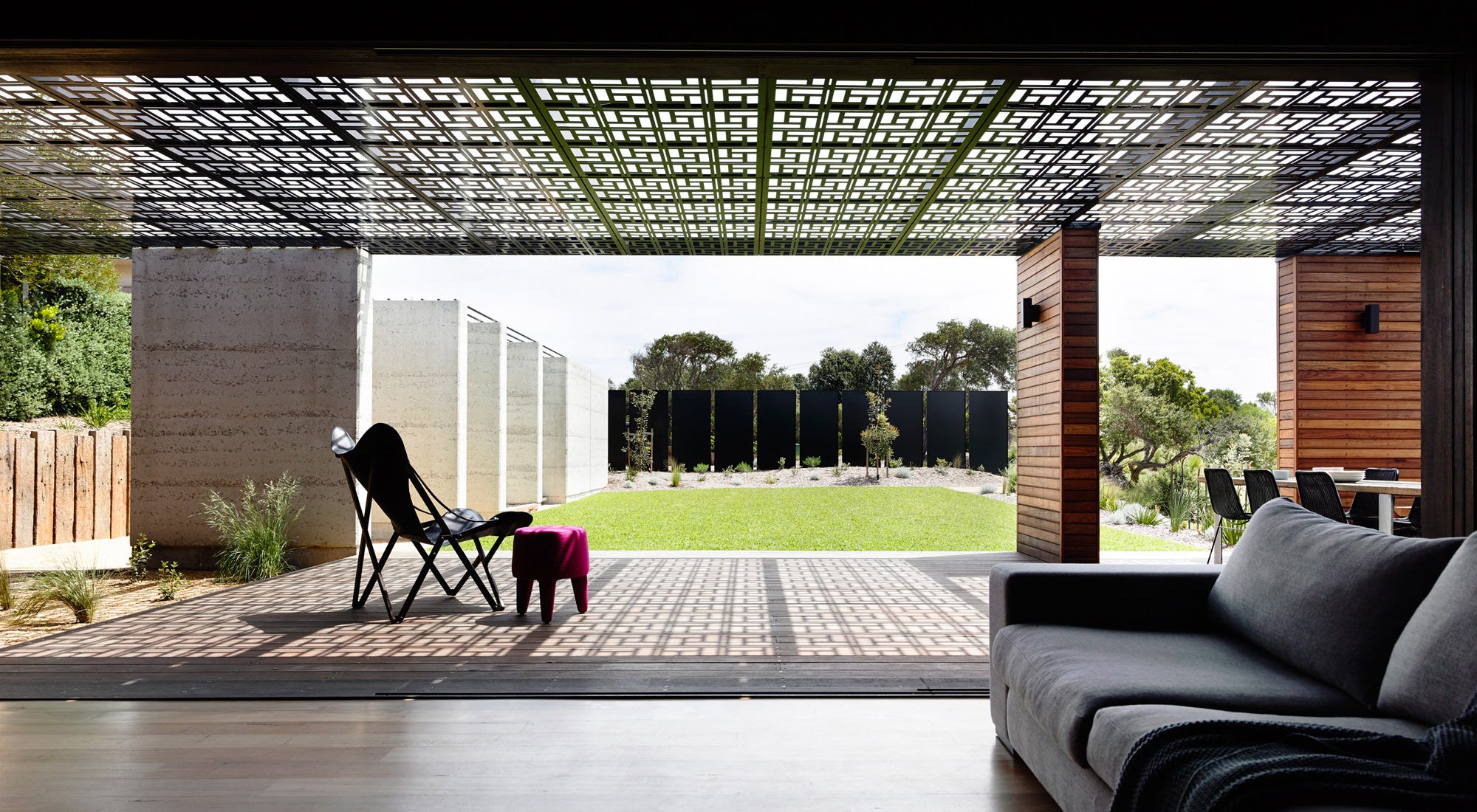
Light and shade are not just functional elements in architecture; they are tools that shape how we experience a space. In Australia, local architects have mastered the delicate interplay between natural sunlight, shadows, and interior environments, creating homes and public spaces that are not only visually striking but also comfortable and energy-efficient. From the arid outback to bustling coastal cities, the Australian context — with its intense sun, variable climate, and diverse landscapes — has led architects to develop a nuanced understanding of how light and shade can enhance design, influence mood, and connect people to their surroundings.
Advertising
Understanding the Role of Natural Light
Australian architects recognize that natural light is both a resource and a challenge. Bright, abundant sunlight is a defining characteristic of the continent, offering opportunities to illuminate spaces, highlight textures, and bring warmth to interiors. At the same time, unfiltered sunlight can create glare, overheating, and fading of materials, especially in regions with harsh UV exposure.
To manage these challenges, architects design spaces that harness the sun’s energy while mitigating its intensity. Large, strategically placed windows, clerestory openings, and skylights allow light to penetrate deeply, creating a sense of openness and continuity with the outdoors. In living areas, these designs ensure that natural light can enhance everyday activities — from reading and cooking to working and socializing — while reducing dependence on artificial lighting.