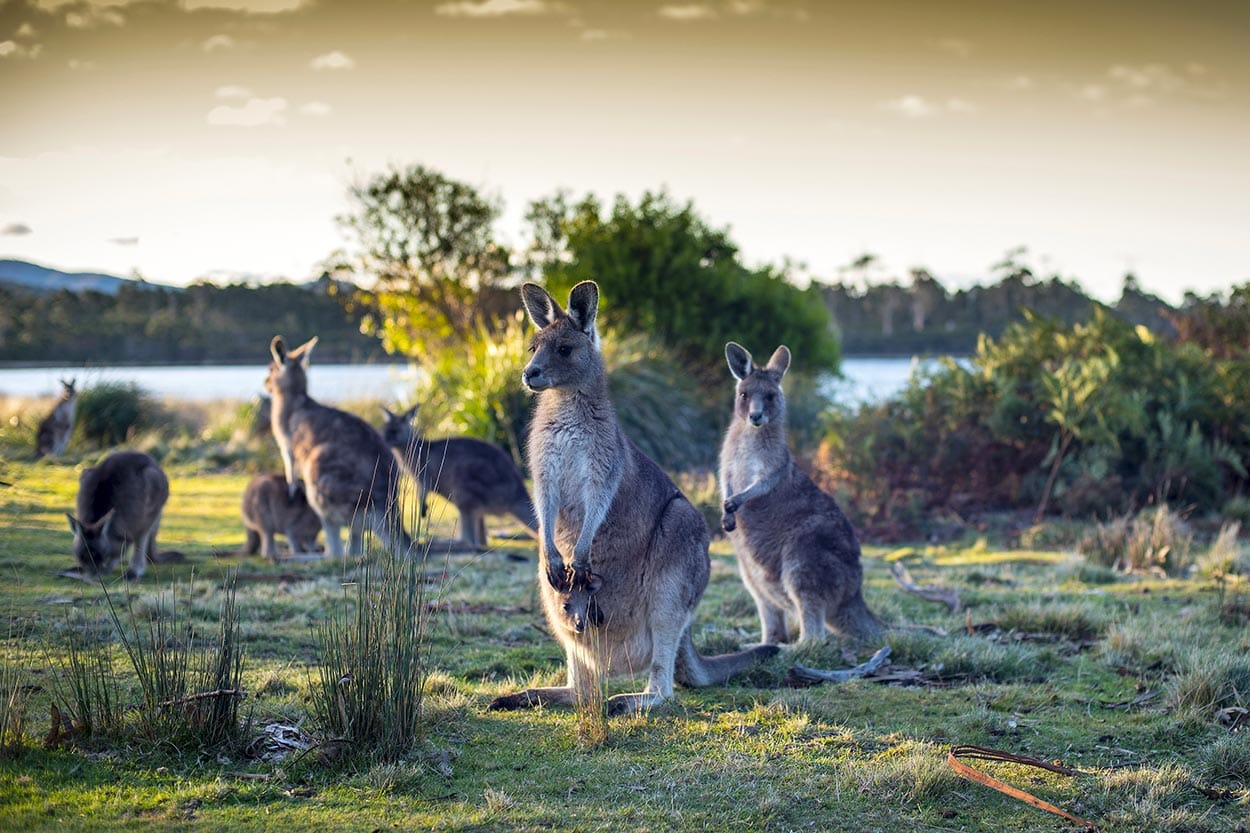
Tasmania is a land where nature feels immediate and intimate, where every coastline carries a sense of untamed beauty. The island’s shores, from secluded sandy coves to rugged headlands, provide some of the most rewarding wildlife-watching experiences in Australia. Unlike the crowded safari parks or guided reserves of the mainland, Tasmania offers moments of quiet observation, where gentle encounters with local fauna are often unscripted, unhurried, and deeply memorable.
Advertising
The key to these experiences is timing. Early morning or late afternoon, when the light softens and human activity is minimal, offers the most rewarding interactions. During these periods, animals are active, visible, and often more relaxed, providing opportunities to observe natural behaviors without intrusion. The island’s relatively low population density and widespread protected areas create an environment where wildlife can be approached with care, rather than startled by frequent human presence.
Secluded Beaches and Curious Creatures
Tasmania’s coastlines vary dramatically. Along the eastern shores, such as the Freycinet Peninsula, soft sand beaches meet crystal-clear waters, often bordered by pink granite formations. Walkers are greeted by the tracks of local wildlife — the footprints of wallabies weaving through dunes, the occasional paw prints of the elusive quoll, or the delicate impressions left by seabirds. Short detours into dune systems or bush patches can reveal shy echidnas rooting through leaf litter or small lizards basking on warm rocks.
At Wineglass Bay, the climb to the lookout is popular, but along the less-trodden coves, walkers often find themselves sharing the beach with black-faced cormorants and little penguins returning from the sea. Observing these creatures requires patience: stand still, keep voices low, and allow animals to carry on with their routines. In these moments, the rhythm of the natural world unfolds almost theatrically, as if the shoreline itself were a stage.