3. Artisanal Baked Goods and Pastries
Many local markets feature small-scale bakers and pastry chefs who create products using traditional techniques and high-quality ingredients. From sourdough and rye breads to sweet pastries, pies, and tarts, these offerings highlight craftsmanship and authenticity.
Advertising
Visiting a market allows customers to discover specialty items not found in supermarkets. Family-owned bakeries often attend markets to showcase limited-edition or seasonal baked goods, providing a connection between home cooking traditions and professional artistry.
4. Cheese, Dairy, and Specialty Proteins
Markets are a hub for dairy producers, cheese makers, and specialty meat providers. Artisanal cheeses, organic milk, yogurt, and butter are crafted with care, often from small herds or flocks. Similarly, local butchers and charcuterie makers bring responsibly sourced meats, cured products, and specialty cuts.
Sampling and purchasing these items directly from the producer gives consumers insight into quality, production methods, and flavor profiles. It also encourages support for sustainable farming practices and heritage breeds that are less commonly found in mainstream outlets.
5. Preserves, Condiments, and Beverages
Local producers at markets often offer jams, marmalades, sauces, oils, vinegars, and pickled vegetables. These products extend the flavors of the season, allowing shoppers to enjoy fruits and vegetables beyond their peak harvest.
Additionally, markets feature craft beverages such as small-batch coffee, cold-pressed juices, kombucha, and artisanal teas. Many producers experiment with native Australian ingredients like finger lime, wattleseed, or lemon myrtle, creating unique flavors that reflect the local environment.
6. Experiencing the Market Atmosphere
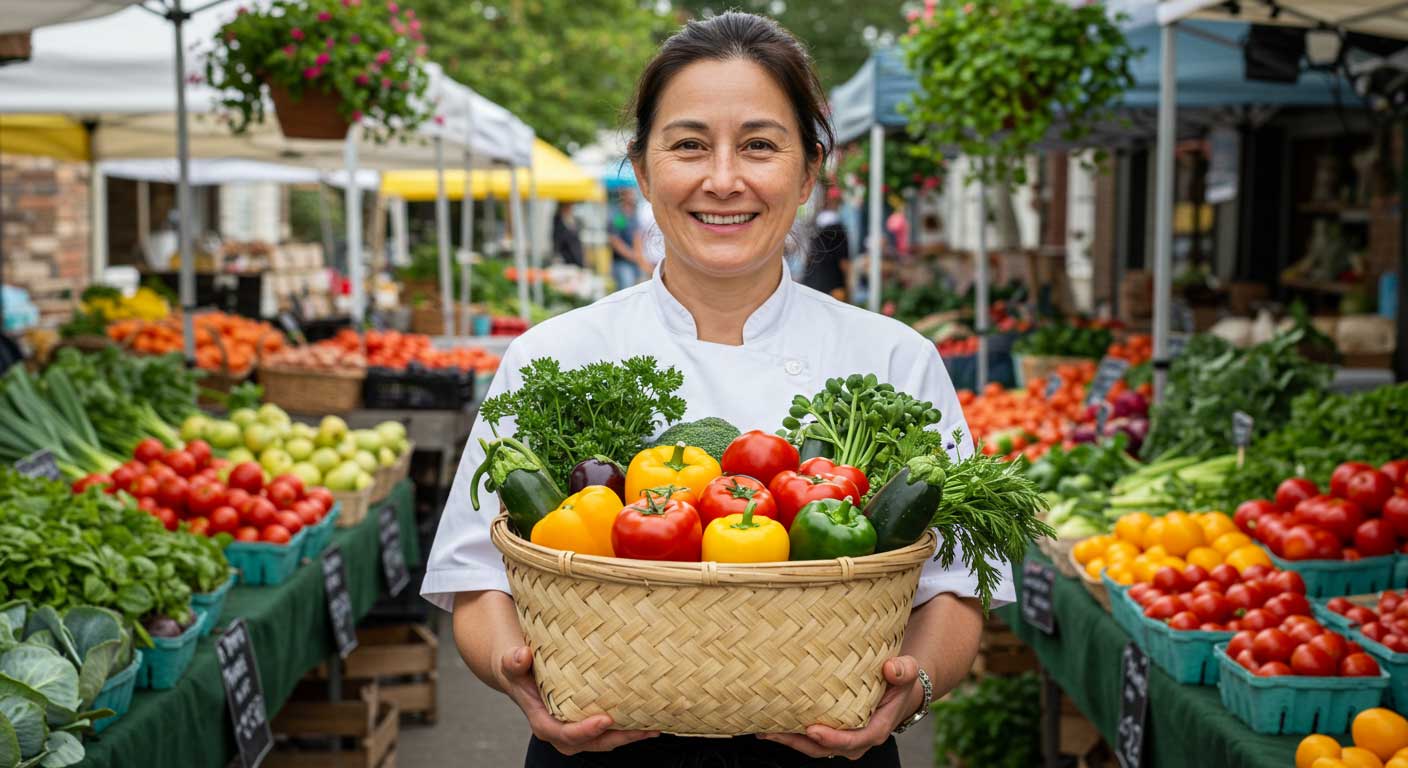
Visiting a farmers’ market is a sensory and social experience. Vibrant stalls, colorful produce, and the aroma of fresh bread or roasted coffee create an inviting atmosphere. Music, demonstrations, and cooking workshops often accompany market visits, providing entertainment and education.
Markets encourage interaction between producers and consumers. Shoppers can ask questions, learn about growing methods, or seek advice on preparation. This direct engagement transforms shopping into an immersive experience, fostering community and connection.
7. Tips for Navigating Local Markets
To maximize a visit, it’s helpful to plan around peak hours, usually early morning when produce is freshest. Bringing reusable bags, containers, and cash supports sustainability and helps manage purchases. Sampling before buying allows for discovery of new flavors, while talking to producers provides valuable insight into ingredient selection and storage.
Markets often rotate weekly or seasonally, so returning regularly introduces shoppers to new products and keeps menus dynamic. Engaging with local producers also offers opportunities to learn cooking techniques, seasonal pairings, and home preservation methods.
8. The Impact of Supporting Local Producers
Choosing to purchase from local producers has far-reaching benefits. It strengthens local economies, supports small businesses, and encourages sustainable and ethical farming practices. For consumers, it ensures access to fresh, high-quality ingredients while promoting environmental stewardship through reduced transportation and packaging.
Moreover, these purchases preserve cultural and culinary heritage, as many producers maintain traditional recipes and methods. Supporting local markets contributes to a resilient and diverse food ecosystem, allowing communities to thrive while celebrating regional flavors.
9. Markets as Culinary Education
Farmers’ markets are also platforms for culinary education. Cooking demonstrations, workshops, and tasting sessions expose visitors to new ingredients, preparation techniques, and flavor combinations. Children and adults alike gain awareness of where food comes from and how to use it creatively.
This educational aspect reinforces sustainable consumption, seasonal awareness, and appreciation for artisanal craftsmanship. In Australia, these experiences are increasingly valued as part of a healthy, connected lifestyle.
10. Conclusion
Australia’s local markets are vibrant ecosystems where food, community, and culture intersect. They showcase the best of seasonal produce, artisanal goods, and specialty items while offering unique insights into the people and processes behind each product.
By exploring these markets and engaging with local producers, Australians enjoy fresh, flavorful ingredients while supporting sustainability, tradition, and innovation. Weekend visits to markets become a culinary adventure, a community gathering, and a celebration of quality that transforms everyday cooking and dining into an experience rich with flavor, story, and connection.