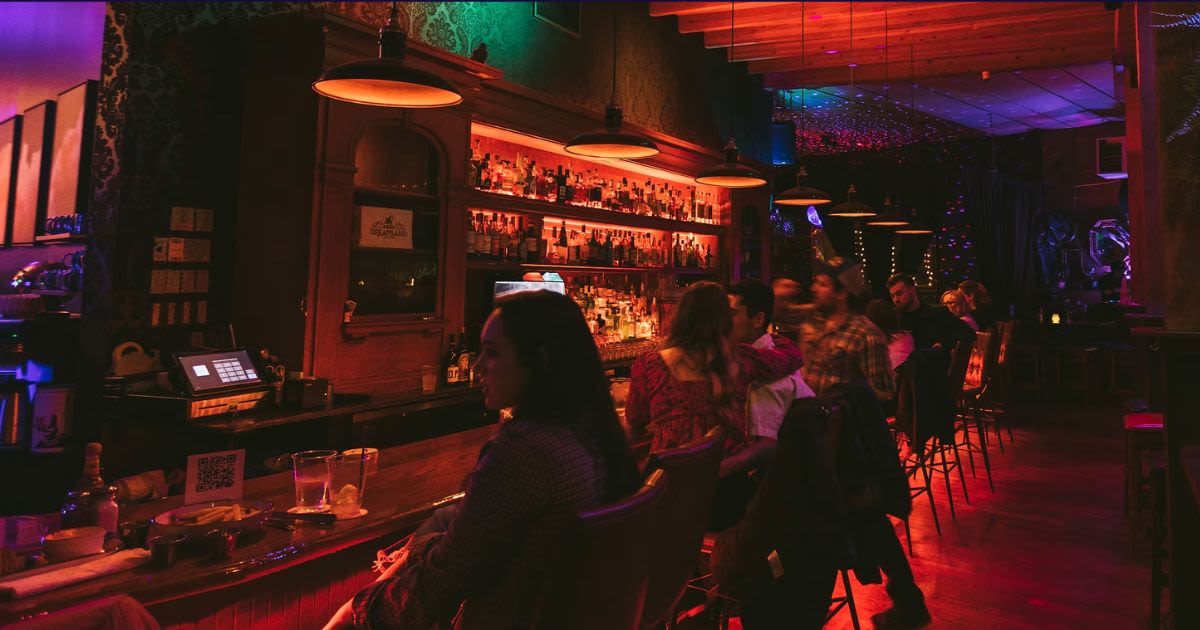
3. Sydney’s Cozy Corners
Sydney offers a mix of intimate music spaces along its harbors, backstreets, and creative precincts. Cafés, small theaters, and boutique bars host singer-songwriters, acoustic bands, and jazz ensembles.
Advertising
Places like The Vanguard in Newtown or Local in Darlinghurst focus on creating an informal atmosphere, with seating arranged to foster conversation and close engagement. Patrons often arrive early to soak in the ambiance, enjoy specialty drinks, and connect with friends while awaiting the performance. These spaces celebrate local talent, providing a springboard for emerging musicians to grow their audiences.
4. Brisbane’s Neighborhood Hubs
In Brisbane, neighborhood pubs and community spaces are central to the music scene. Venues in West End, Fortitude Valley, and South Bank host regular live performances in casual, approachable settings.
These spaces emphasize inclusivity and experimentation, allowing artists to play original compositions alongside familiar favorites. Community involvement is a hallmark of Brisbane’s music culture, with open mic nights, jam sessions, and collaborative events encouraging participation from both musicians and audiences. The result is a warm, informal environment that fosters creativity and social connection.
5. Perth’s Creative Hideaways
Perth’s music spaces are often hidden gems tucked behind unassuming storefronts or in converted warehouses. Venues like Mojos Bar or The Bird cater to audiences seeking authenticity and a raw musical experience.
These spaces focus on fostering connection — between performers and patrons, and between audience members themselves. The informal atmosphere encourages conversation, shared enthusiasm, and a sense of belonging. Perth’s venues frequently host genre-crossing events, blending rock, folk, electronic, and world music, creating a dynamic and diverse local scene.
6. Regional Spaces and Festivals
Beyond major cities, small towns and regional communities host informal music spaces and local festivals that draw residents together. Community halls, art centers, and local pubs provide performance opportunities for regional talent, often blending live music with food stalls, craft markets, and interactive workshops.
These gatherings are community-centered, highlighting local culture, encouraging participation, and offering a relaxed environment where music is as much about social connection as it is about performance. Patrons often arrive early and stay late, enjoying the camaraderie, sharing stories, and discovering new sounds in a friendly, approachable setting.
7. Supporting Local Artists
Attending local music spaces directly supports emerging and independent artists. Smaller venues rely on community attendance and participation, providing artists with opportunities to perform, experiment, and grow.
The informal nature of these spaces encourages risk-taking and experimentation, allowing musicians to develop their unique style and connect authentically with audiences. For visitors, this offers a chance to witness the evolution of talent firsthand, often discovering artists before they gain wider recognition.
8. The Atmosphere: Beyond the Music
Warm, informal music spaces are about more than sound; they are about ambiance, interaction, and shared experience. Lighting, décor, seating arrangements, and even the presence of house pets or local artwork contribute to the intimate feel.
Patrons often socialize before, during, and after performances, exchanging thoughts about the music, recommending local food or drinks, or connecting with artists. This blend of social and sensory experience makes each visit memorable, creating a sense of place and belonging that resonates long after the music ends.
9. Accessibility and Inclusivity
One of the strengths of informal music spaces is their accessibility. They often welcome audiences of all ages, backgrounds, and musical tastes. Entry prices are typically lower than large commercial venues, and the casual setting reduces social barriers.
This inclusivity fosters diversity in both performers and audiences, encouraging new talent to participate and new listeners to explore unfamiliar genres. Over time, these venues become cultural hubs, contributing to the vibrancy and resilience of local music ecosystems.
10. Conclusion
Local music spaces with a warm, informal atmosphere are essential to Australia’s creative landscape. They offer intimate, immersive experiences that bring people together, celebrate local talent, and foster a sense of community.
From Melbourne’s laneway gems and Sydney’s cozy corners to Brisbane’s neighborhood hubs, Perth’s hidden venues, and regional festivals, these spaces prioritize connection over spectacle, authenticity over commercialization, and creativity over conformity.
Visiting such spaces allows audiences to engage deeply with music, support emerging artists, and experience the richness of Australia’s local culture. They remind us that the heart of music often thrives not in grand arenas, but in the warmth of small rooms, the exchange of shared enthusiasm, and the joy of discovering a melody in an intimate, welcoming space.