3. Celebrating Cultural Diversity
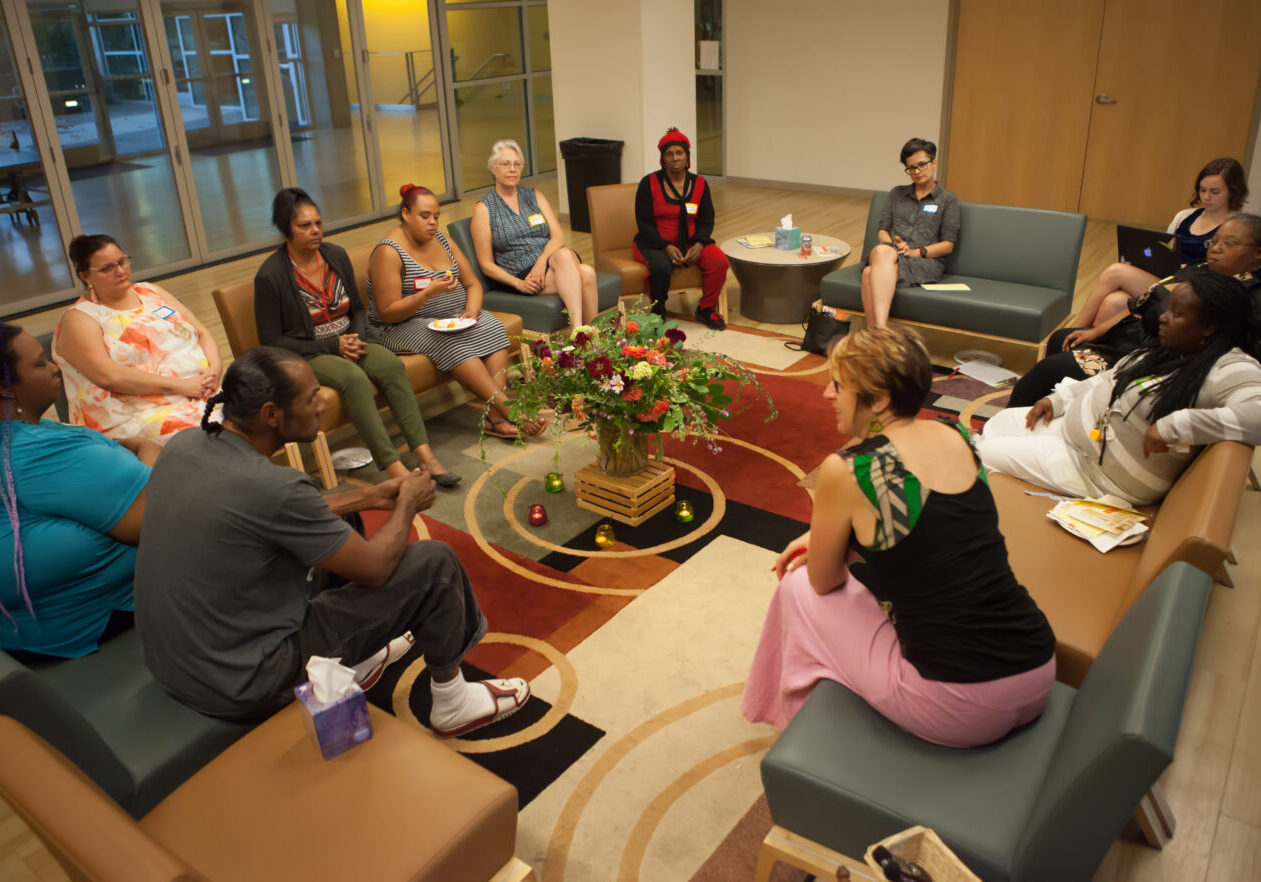
Australia’s multicultural landscape is reflected in storytelling circles that include migrant and Indigenous voices. These gatherings enable communities to share experiences of migration, adaptation, and cultural continuity, fostering understanding and empathy among participants.
Advertising
Indigenous storytelling circles are particularly significant, transmitting knowledge, traditions, and oral histories tied to land, spirituality, and cultural identity. These circles often include storytelling through song, art, and performance, connecting modern audiences with centuries-old practices while strengthening cultural preservation.
4. Healing Through Shared Narratives
Storytelling circles also serve therapeutic and social purposes. Sharing personal experiences — whether about loss, hardship, or triumph — helps participants process emotions and find common ground with others. Listening to similar experiences can validate feelings, reduce isolation, and foster resilience.
Communities recovering from natural disasters, social upheaval, or other challenges often find storytelling circles a valuable tool for healing and rebuilding connections. The act of narrating and listening strengthens social bonds, creating a support network grounded in empathy and shared understanding.
5. Engaging the Young and Old
Intergenerational participation is a hallmark of storytelling circles. Older members pass down memories and lessons, while younger participants contribute contemporary experiences and perspectives.
Schools, libraries, and community centers often host circles that encourage children and teenagers to participate, nurturing communication skills, creativity, and cultural awareness. This interaction fosters mutual respect, curiosity, and continuity between generations, ensuring that stories — and the values they carry — endure.
6. Storytelling Circles as Creative Spaces
These gatherings often inspire creativity beyond verbal narratives. Participants may incorporate poetry, music, or visual art into their stories. Artists and writers sometimes use storytelling circles as sources of inspiration, transforming oral narratives into literature, plays, or multimedia projects.
The collaborative nature of storytelling circles encourages improvisation and innovation, allowing participants to experiment with structure, style, and perspective while remaining rooted in shared experiences and community context.
7. Community Cohesion and Engagement
Storytelling circles strengthen community cohesion by creating spaces where residents feel heard, connected, and valued. Regular participation builds familiarity and trust, fostering networks of support that extend beyond the circle itself.
These gatherings also encourage civic engagement, as participants become more invested in local projects, heritage preservation, and cultural activities. By nurturing communication and empathy, storytelling circles cultivate social capital and a sense of shared responsibility.
8. Public and Private Circles
Storytelling circles can take many forms — from intimate neighborhood gatherings to organized events in libraries, cultural centers, and festivals. Some circles are informal, with friends and neighbors meeting in homes or community halls. Others are structured, with facilitators guiding sessions, documenting stories, or integrating performances.
Public circles often attract diverse participants, creating opportunities for cross-cultural exchange and broader understanding. Private circles provide safe spaces for reflection, personal growth, or specific community purposes, such as supporting survivors of trauma or celebrating local milestones.
9. Digital Storytelling Circles
In recent years, online platforms have expanded the reach of storytelling circles. Communities separated by distance or circumstance can participate virtually, sharing stories via video calls, podcasts, or interactive forums.
Digital circles complement in-person gatherings, making storytelling more accessible while preserving oral histories in recorded formats. These digital archives can be shared widely, ensuring that community narratives reach broader audiences and remain available for future generations.
10. Conclusion
Storytelling circles are vital instruments for connecting Australians to each other, their history, and their culture. By fostering dialogue, empathy, and creativity, these gatherings preserve memories, celebrate diversity, and strengthen community bonds.
Whether held in rural towns, suburban centers, or digital spaces, storytelling circles encourage individuals to share personal experiences, reflect on communal heritage, and engage meaningfully with others. They remind participants that every story — no matter how ordinary it may seem — contributes to a shared tapestry of memory and identity.
Through these circles, communities maintain continuity, celebrate individuality, and nurture the human need to be heard. In Australia, where local connections are as diverse as the landscapes, storytelling circles serve as both cultural preservation and a living testament to the power of collective memory, ensuring that the everyday stories of life remain vibrant, valued, and enduring.