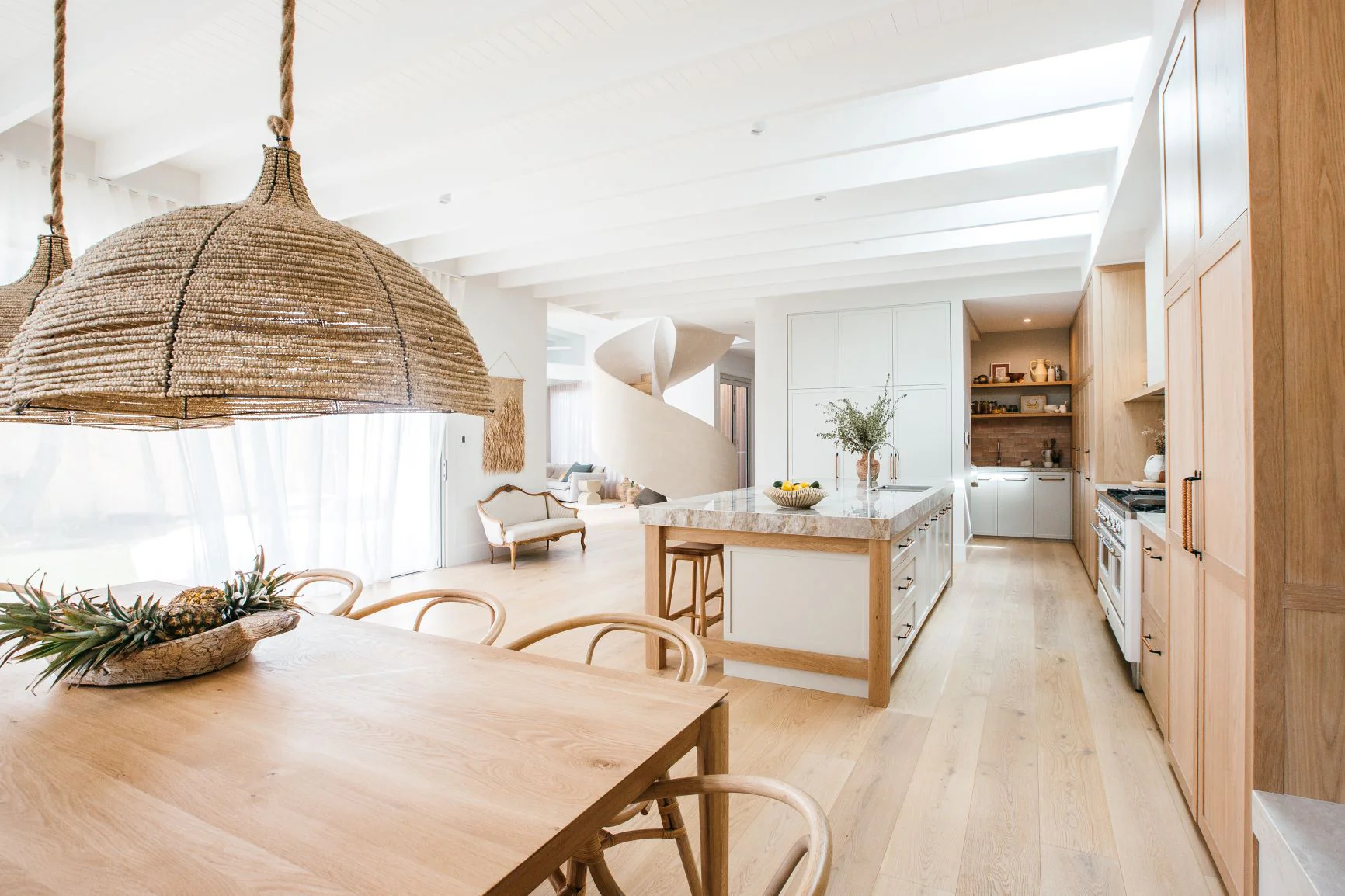
Natural Materials and Textures
Coastal homes in Australia frequently utilize materials that echo the surrounding environment. Timber, stone, and sandstone are popular choices, lending warmth and tactile richness to interiors while reflecting natural textures of driftwood, dunes, and cliffs. Hardwood floors, exposed beams, and stone countertops convey a sense of permanence and connection to the landscape, while untreated or lightly finished surfaces maintain an organic, unpretentious aesthetic.
Advertising
Exterior cladding often uses weather-resistant materials such as timber, corrugated metal, or rendered surfaces designed to withstand salt air and coastal humidity. Natural textures help homes blend into their surroundings, rather than imposing on the landscape, achieving a sense of cohesion between built and natural environments.
Neutral, Coastal Color Palettes
Color plays a crucial role in conveying a coastal ambiance. Australian coastal homes typically feature soft, neutral palettes — think shades of sand, driftwood greys, soft whites, and muted blues. Accents inspired by sea glass, shells, and marine flora add subtle color without overwhelming the overall tranquility of the space.
Bedrooms and living areas often use layered textures and light tones to create calm, restful environments. This approach mirrors the natural hues of beaches and surf, helping interiors feel soothing, spacious, and connected to the outdoors. Even small elements — cushions, throws, or cabinetry — often reflect soft maritime tones, reinforcing the thematic cohesion of the design.
Indoor-Outdoor Integration
Seamless indoor-outdoor living is a hallmark of coastal-inspired homes. Expansive decks, verandas, and balconies serve as extensions of interior spaces, inviting residents to experience the environment directly. Sliding or bi-fold doors open wide to connect dining rooms and living areas with alfresco spaces, while sheltered patios and pergolas provide shaded outdoor areas suitable for year-round enjoyment.
Gardens are often designed to echo native coastal landscapes, with dunes, grasses, and hardy shrubs that tolerate wind, salt, and sandy soils. Water features or pools may mimic the reflective quality of the ocean, reinforcing the theme of continuity between inside and outside. This integration promotes a lifestyle centered on appreciation of natural surroundings, encouraging residents to move fluidly between spaces and soak in views, sunlight, and breezes.
Maximizing Natural Light and Ventilation
Natural light is a critical feature of coastal-inspired homes. Large, strategically placed windows, skylights, and light wells ensure interiors remain bright and airy throughout the day. Solar orientation is considered carefully to balance warmth and comfort, especially in winter months, while shading devices like overhangs, shutters, or pergolas reduce heat gain in summer.
Cross-ventilation is another essential consideration. Homes are often designed to capture prevailing coastal breezes, using window placement and architectural features like high ceilings and open stairwells to maintain air circulation. This passive cooling strategy not only improves comfort but also reduces energy use, aligning with environmentally conscious living.
Subtle Nautical and Marine Accents
While the overall design is rooted in natural elements, coastal homes often include tasteful references to maritime life. These might include decorative features such as rope railings, driftwood-inspired furniture, seashell accents, or navy-and-white color contrasts. Artworks depicting seascapes, coastal flora, or marine wildlife enhance the theme without overwhelming the space.
Lighting fixtures often reflect nautical inspiration — lantern-style lamps, pendant lights resembling buoys, or fixtures with weathered metal finishes. The key is subtlety: these accents serve as reminders of the coastline while maintaining a sophisticated, timeless interior style.
Functional Considerations for Coastal Living
Living near the coast brings environmental challenges that influence home design. Salt-laden air, high humidity, and strong winds require durable, low-maintenance materials and finishes. Exterior paints, timber treatments, and hardware are selected for corrosion resistance, while landscaping favors native plants adapted to sandy soils and exposure.
Additionally, homes may feature elevated foundations in flood-prone areas, reinforced windows in windy locales, and outdoor shower facilities for rinsing off sand and saltwater after beach visits. These practical measures ensure the aesthetic elegance of the home does not compromise functionality or longevity.
Sustainability and Connection to Nature
Modern Australian coastal homes increasingly prioritize sustainability, reflecting broader environmental awareness. Solar panels, rainwater collection, greywater recycling, and energy-efficient appliances are integrated seamlessly into the design. Landscaping with native flora not only reduces water usage but also supports local biodiversity.
Sustainable design extends to lifestyle: homeowners are encouraged to engage with the natural environment responsibly, observing and preserving local ecosystems while enjoying the unique beauty of the coastline. In this way, the homes themselves become extensions of the landscape, harmonizing human habitation with nature rather than competing with it.
Conclusion
Australian homes inspired by the coastline combine aesthetics, functionality, and a deep respect for the natural environment. Open layouts, natural materials, soft color palettes, indoor-outdoor integration, and subtle nautical accents create spaces that evoke the rhythm of the sea and the serenity of the shore. Thoughtful design ensures homes remain comfortable, resilient, and sustainable, while offering residents a continuous connection to the landscapes that inspire them.
For anyone seeking to live or vacation near the coast, these homes provide more than shelter; they offer an immersive lifestyle where architecture, nature, and everyday life blend seamlessly, capturing the timeless appeal of Australia’s shores. Whether perched on a cliff overlooking crashing waves or tucked into a sheltered bay, a coastal-inspired home transforms ordinary living into a daily experience of calm, beauty, and connection.