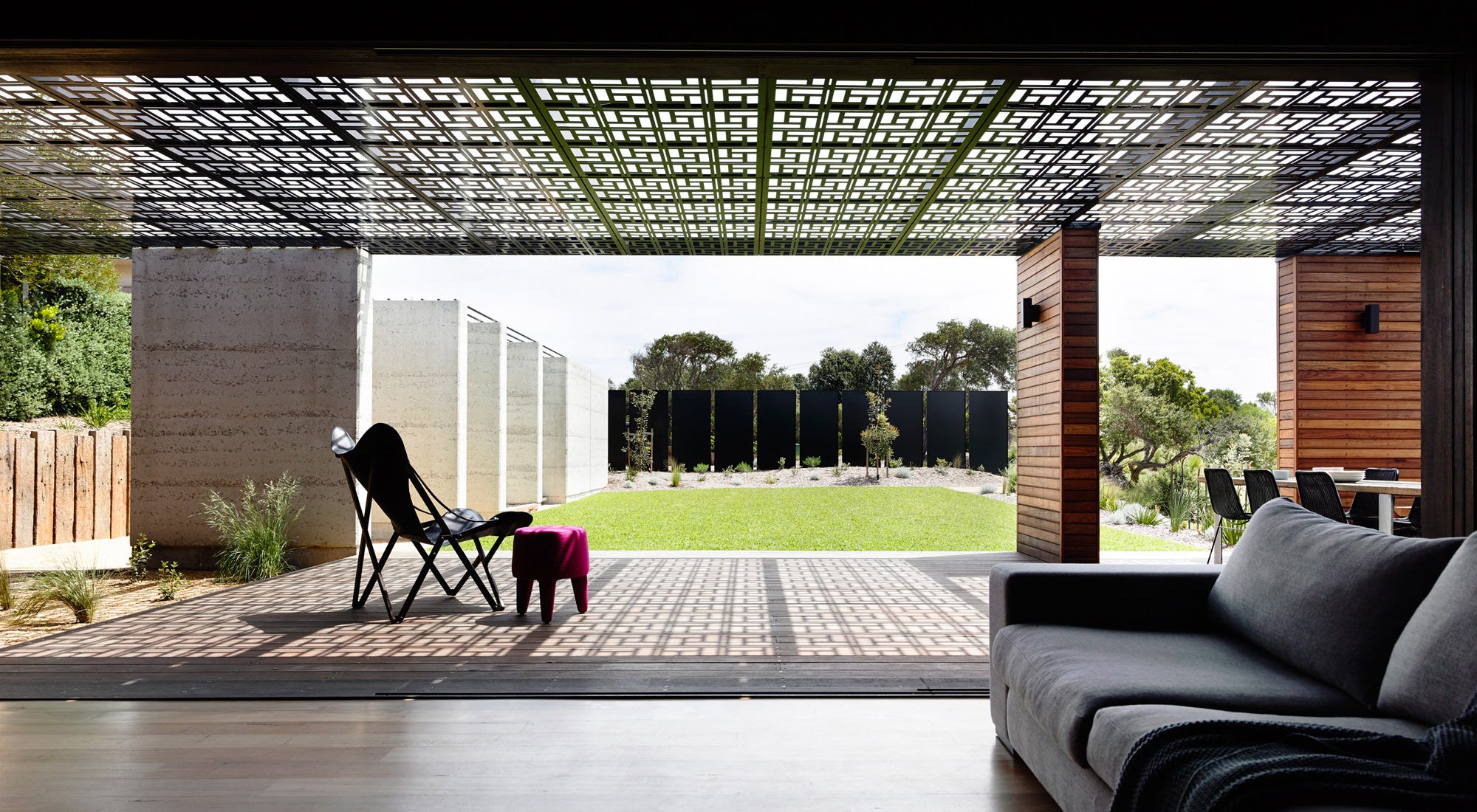
The Art of Shade
Shade is as important as light, serving both functional and aesthetic purposes. Carefully considered shading protects interiors from excessive heat and glare, while simultaneously producing patterns and textures that add character to a space. Local architects often employ overhangs, pergolas, louvers, and verandas to control sunlight angles throughout the day and across seasons.
Advertising
For instance, in subtropical regions like Queensland, extended eaves and adjustable louvers allow homes to stay cool during summer months while letting gentle winter sun warm interiors. These structures not only enhance comfort but also contribute to energy efficiency by reducing the need for air conditioning. At the same time, the interplay of light filtering through slatted shades or patterned screens creates dynamic shadows that shift throughout the day, adding visual intrigue and a sense of movement within static architecture.
Framing Views and Creating Atmosphere
Light and shade are powerful tools for framing views and shaping atmosphere. Architects design openings that capture specific vistas — a city skyline, a beach, or a forest canopy — and use sunlight to accentuate these focal points. The contrast between light-filled areas and shaded retreats directs movement, guides attention, and creates emotional responses in occupants.
Interior spaces often incorporate transitional zones, where semi-shaded corridors or alcoves lead to bright living areas, providing a journey through changing light conditions. Courtyards, patios, and atriums leverage natural illumination to enhance spatial depth, while shaded spaces provide respite and a sense of privacy. This careful choreography ensures that residents experience a balance of exposure and shelter, creating homes that feel dynamic yet harmonious.
Integration With Landscape and Climate
Australian architects are particularly attuned to the connection between buildings and their natural environment. Orientation, landscape features, and local climate inform how light and shade are manipulated. Coastal homes may use large north-facing windows to maximize sun exposure in cooler months while incorporating shading devices to protect against summer glare. In desert regions, architects design deep verandas and strategically positioned courtyards to reduce heat gain while allowing diffused light to brighten interiors.
Natural features — trees, rock formations, and dunes — are often incorporated into the shading strategy. A native eucalyptus or a stone wall can filter sunlight, cast cooling shadows, and contribute to the aesthetic composition of the site. Architects view light and shade not just as interior concerns but as elements that mediate the building’s relationship with its broader environment.
Materials That Enhance Light and Shade
The choice of materials is integral to how light interacts with a space. Reflective surfaces, light-colored finishes, and glass maximize daylight penetration, while timber, stone, and textured materials absorb and diffuse light, creating warmth and subtle shadow patterns. Architects use these contrasts deliberately to craft layered, tactile environments that are visually engaging throughout the day.
For example, polished concrete floors can bounce soft daylight into corners, reducing the need for artificial lighting. Timber screens or perforated panels create patterned shadows that shift with the sun’s movement, adding a poetic rhythm to daily life. Even furniture, textiles, and decorative elements are considered for their interaction with light, contributing to a holistic design approach.
Seasonal and Temporal Considerations
Australian architects plan for seasonal variations in light, acknowledging that the sun’s path changes significantly throughout the year. Adjustable shading systems, operable windows, and movable screens allow buildings to adapt, ensuring comfort and energy efficiency regardless of season.
Time of day also influences how spaces are experienced. Morning light may highlight textures in one part of a room, while afternoon sun bathes another corner in warmth. Architects design circulation patterns, seating areas, and focal points to take advantage of these temporal shifts, creating living environments that feel alive and responsive.
Emphasizing Sustainability and Well-Being
Thoughtful management of light and shade is not only aesthetic but also sustainable. Passive solar design reduces reliance on artificial heating and cooling, while natural daylight improves well-being, boosting mood, focus, and productivity. Architects increasingly integrate smart technologies with traditional design strategies, using sensors and automated shading systems to optimize indoor light levels while minimizing energy consumption.
Beyond energy efficiency, light and shade contribute to the psychological and emotional quality of a space. Bright, sunlit areas encourage social interaction and activity, while shaded, sheltered spaces promote relaxation and introspection. By balancing these conditions, architects create homes and workplaces that nurture both body and mind.
Conclusion
Australian architects demonstrate that light and shade are far more than functional necessities — they are expressive tools that shape the way people live, move, and experience architecture. Through thoughtful orientation, strategic openings, material selection, and integration with climate and landscape, local designers craft spaces that feel luminous, dynamic, and comfortable.
From sun-drenched coastal villas to shaded urban retreats, the nuanced interplay of light and shadow defines the character of Australian architecture. It enhances the sensory experience, connects occupants to the environment, and exemplifies sustainable, thoughtful design. For residents and visitors alike, these principles transform a simple building into a living, breathing space where light not only illuminates but also inspires.