2. Seamless Indoor-Outdoor Flow
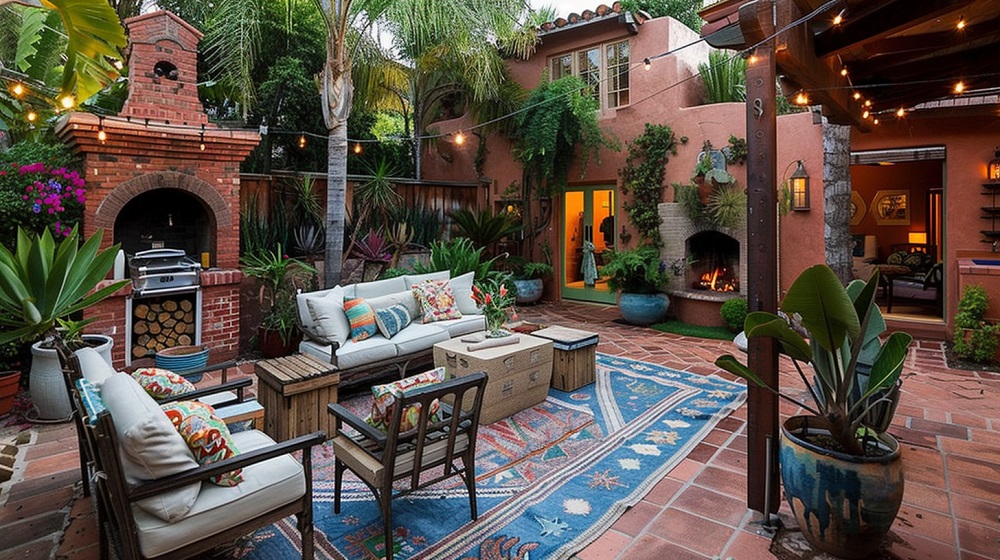
One of the central ideas in modern backyard design is the seamless connection between indoor and outdoor spaces. Sliding glass doors, retractable walls, and pergolas create visual and physical continuity. In coastal homes, interiors often flow naturally into patios or decks, with the same flooring materials or color palettes extending outdoors to unify the space.
Advertising
This integration encourages movement and makes outdoor areas usable in all seasons. A living room might open to a sheltered alfresco dining area, while a kitchen can connect to a herb garden, allowing homeowners to cook, serve, and socialize without ever feeling constrained by walls.
3. Flexible and Modular Layouts
Modern outdoor rooms embrace flexibility. Modular furniture, movable screens, and retractable shade structures allow spaces to adapt to different activities and weather conditions. A deck may serve as a sun-drenched lounge in the morning, a dining area in the afternoon, and a starlit gathering spot in the evening.
Flexible layouts also accommodate changing household needs. Families with children can quickly convert a dining area into a play zone, while entertainers can rearrange seating for guests. This adaptability maximizes the utility of limited outdoor space, ensuring it remains both functional and welcoming.
4. Natural Materials and Textures
As with interiors, materials play a critical role in outdoor rooms. Timber, stone, rattan, and woven fabrics dominate Australian backyard design, creating a tactile connection to nature. Timber decking, stone paving, and wooden screens provide structure, while cushions, rugs, and throws in natural fibers add comfort and softness.
These materials age gracefully under sun and rain, enhancing their character over time. Choosing materials that reflect the natural environment helps outdoor rooms feel harmonious rather than artificial, reinforcing the idea of continuity between home and landscape.
5. Incorporating Greenery and Landscaping
Plants are essential to modern backyard design. They provide shade, privacy, and texture, while contributing to biodiversity and climate resilience. Vertical gardens, container plants, and native species are popular strategies, allowing homeowners to maximize greenery even in small spaces.
Landscaping can also define zones within outdoor rooms. Low hedges, raised garden beds, or timber planters delineate seating areas, dining zones, and pathways. By integrating greenery thoughtfully, designers create outdoor spaces that feel lush, private, and visually engaging, while supporting sustainability and local ecosystems.
6. Lighting for Atmosphere and Function
Lighting transforms the backyard into a versatile, inviting space. Layered lighting — from ambient string lights and lanterns to task-focused fixtures near cooking areas — ensures usability after sunset. LED fixtures, solar lights, and low-voltage options provide energy-efficient solutions that complement natural materials and maintain a warm, welcoming atmosphere.
Designers often emphasize subtlety, using lighting to highlight textures, architectural features, and plantings rather than overpowering the space. Shadows and reflections become part of the design, creating depth and ambiance while making outdoor rooms feel cozy and intimate.
7. Outdoor Kitchens and Dining
Cooking and dining outdoors is central to the Australian lifestyle, and modern backyards reflect this trend. Fully equipped outdoor kitchens, pizza ovens, and built-in barbecues allow homeowners to prepare meals without sacrificing social interaction. Dining areas with weather-resistant furniture create comfortable spaces for meals with family and friends.
These areas are often sheltered with pergolas, retractable awnings, or gazebos, allowing year-round use. Incorporating natural materials and greenery ensures that these functional spaces remain visually appealing, blending seamlessly into the broader outdoor room.
8. Relaxation and Wellness Zones
Outdoor rooms are increasingly designed for wellness. Hammocks, daybeds, meditation corners, and yoga platforms provide private spaces for relaxation and reflection. Water features like fountains or small ponds introduce calming sounds, enhancing tranquility.
Australian homeowners are embracing these features not just for aesthetics, but for their mental and physical benefits. Creating outdoor spaces that encourage downtime, exercise, or mindfulness contributes to a healthier, more balanced lifestyle.
9. Sustainability and Resilience
Sustainability is integral to modern backyard design. Native plants reduce water use, permeable paving mitigates runoff, and materials are selected for durability and low environmental impact. Shade structures and ventilation strategies reduce the need for artificial cooling, while solar-powered lighting and rainwater collection systems further align outdoor rooms with eco-conscious principles.
Designing with resilience in mind ensures that outdoor rooms withstand extreme weather, coastal salt, or intense sun, while continuing to provide comfort and beauty for years to come.
10. Personalization and Aesthetic Expression
Finally, outdoor rooms reflect personal style. Homeowners integrate textures, colors, furniture, and art to create spaces that resonate with their lifestyle. Coastal-inspired palettes with bleached timber and soft blues, earthy tones with stone and greenery, or contemporary urban styles with sleek metal and concrete all find expression in backyard design.
Outdoor rooms become extensions of identity, allowing residents to enjoy curated spaces that feel like an outdoor living room, a private retreat, or a social hub.
Conclusion
Reimagining the backyard as an outdoor room transforms Australian homes. Through thoughtful layout, natural materials, greenery, flexible design, and integrated lighting, outdoor spaces are elevated from utilitarian lawns to dynamic, multifunctional extensions of the home.
Modern Australian backyards blend comfort, aesthetics, and sustainability, offering spaces that cater to dining, relaxation, wellness, and entertainment. By integrating indoor and outdoor living, homeowners create environments that reflect lifestyle, climate, and personal taste. In this way, the backyard evolves from a peripheral space into a central part of everyday life — a place where design, nature, and living converge beautifully.