Home Author
Author

Maddison Lee

Advertising

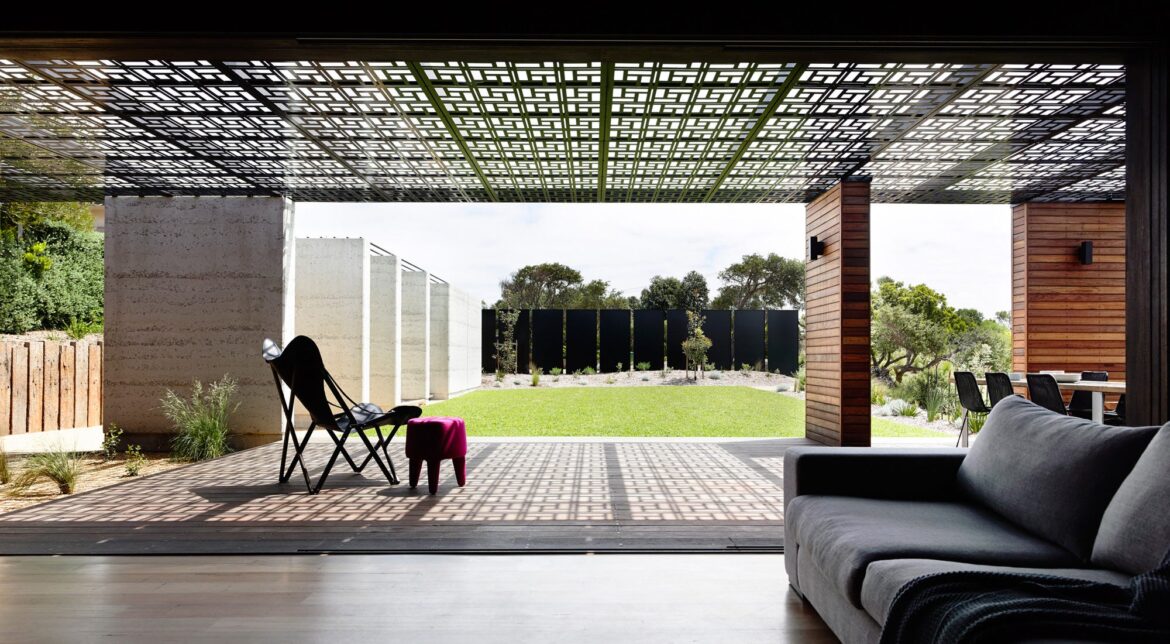
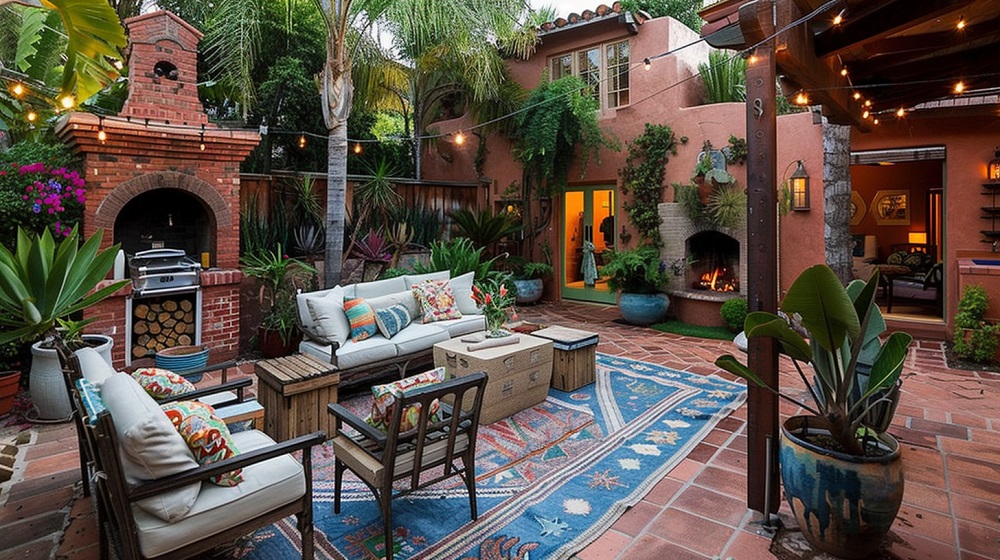
Backyards in Australia are evolving. No longer are they simply patches of grass or spaces for occasional barbecues — they have become extensions of the home, fully integrated outdoor rooms that serve as dining areas, lounges, play zones, or even workspaces. Modern Australian design embraces the idea that outdoor living can be functional, stylish, and closely connected to nature, blurring the line between interior and exterior. By rethinking the backyard as a dynamic, adaptable space, homeowners create areas that are both practical and inspiring, reflecting contemporary lifestyle and climate-conscious design.

1. Defining Outdoor Rooms

An outdoor room is more than a garden or patio; it is a deliberate space designed for specific activities. Just as indoor rooms have furniture, lighting, and purpose, outdoor rooms are carefully curated with seating, surfaces, shading, and décor. Australian architects and landscape designers increasingly treat the backyard as an additional living area, offering zones for cooking, entertaining, relaxing, or contemplation.

Outdoor rooms can be formal or informal, open or enclosed, but they share one key principle: intentionality. Every element — from the layout to materials and lighting — is chosen to maximize comfort, usability, and aesthetic appeal. This approach transforms the backyard into a functional extension of the home rather than an afterthought.


Pages: 1 2

Advertising

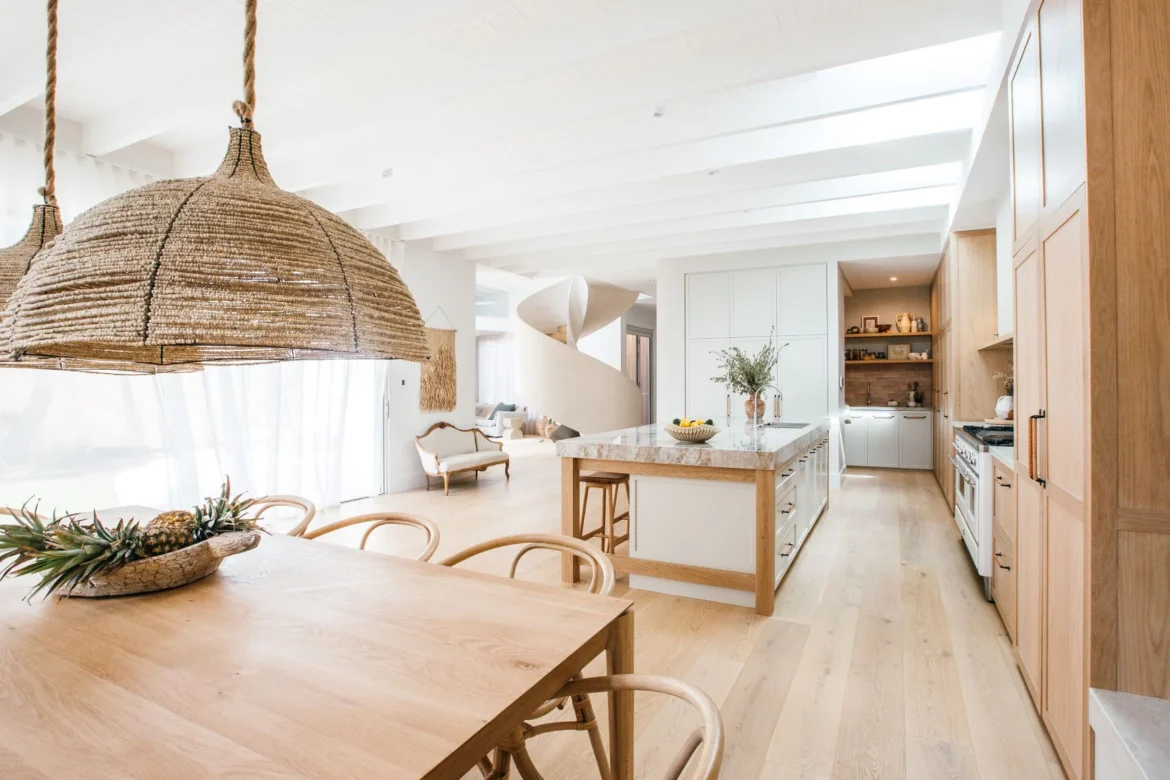
Modern Australian interiors are known for their balance of elegance, warmth, and natural charm. Across urban apartments, coastal homes, and rural retreats, designers prioritize textures and materials that create a sense of connection to the environment, support comfort, and provide visual interest. The Australian approach blends functionality with tactile appeal, emphasizing natural finishes, sustainability, and a subtle interplay between softness and structure. Understanding the textures and materials that define contemporary Australian interiors provides insight into the nation’s distinctive design sensibilities.

1. Timber: Warmth and Versatility

Timber is arguably the most celebrated material in Australian interiors. From light-colored hardwoods like Tasmanian oak and jarrah to darker, richer tones like blackbutt and spotted gum, timber adds warmth, character, and tactile appeal to any space. Its versatility allows it to be used for flooring, furniture, wall panels, ceiling beams, and shelving.

In modern interiors, timber is often paired with neutral tones, soft fabrics, and clean lines to achieve a sophisticated yet relaxed look. Exposed timber beams or polished timber floors can anchor a room, while veneer finishes on cabinetry or tables provide subtle textural variation. Timber’s natural grain and variations in tone bring a sense of organic beauty, ensuring each piece feels unique and tied to its environment.

Pages: 1 2

Advertising

Living in smaller homes or apartments has become increasingly common in Australia’s urban and coastal areas. While limited square footage can pose challenges, it also encourages creativity. One of the most satisfying aspects of designing for small spaces is integrating storage solutions that feel organic and unobtrusive. Clever storage doesn’t just hide clutter — it enhances the sense of space, emphasizes light and flow, and can even become an aesthetic feature. Australian designers and homeowners are leading the way in creating interiors that are functional, beautiful, and harmoniously natural.

1. Built-In Storage That Blends Seamlessly

One of the most effective strategies for small spaces is custom-built storage. Unlike freestanding cupboards or shelves, built-ins are tailored to the dimensions of a room, maximizing every inch of space. They can be integrated into walls, under stairs, or along window alcoves, creating a streamlined look that eliminates awkward gaps and bulky furniture.

Australian homes often feature timber built-ins, which not only provide warmth and texture but also connect the interior to the natural environment. Floor-to-ceiling shelving can house books, decorative objects, and essential items without feeling cluttered. In bedrooms, built-in wardrobes with sliding doors keep personal items out of sight, while in kitchens, recessed cabinetry ensures that even small pantries feel open and accessible.

Pages: 1 2

Advertising

Light and shade are not just functional elements in architecture; they are tools that shape how we experience a space. In Australia, local architects have mastered the delicate interplay between natural sunlight, shadows, and interior environments, creating homes and public spaces that are not only visually striking but also comfortable and energy-efficient. From the arid outback to bustling coastal cities, the Australian context — with its intense sun, variable climate, and diverse landscapes — has led architects to develop a nuanced understanding of how light and shade can enhance design, influence mood, and connect people to their surroundings.

Understanding the Role of Natural Light

Australian architects recognize that natural light is both a resource and a challenge. Bright, abundant sunlight is a defining characteristic of the continent, offering opportunities to illuminate spaces, highlight textures, and bring warmth to interiors. At the same time, unfiltered sunlight can create glare, overheating, and fading of materials, especially in regions with harsh UV exposure.

To manage these challenges, architects design spaces that harness the sun’s energy while mitigating its intensity. Large, strategically placed windows, clerestory openings, and skylights allow light to penetrate deeply, creating a sense of openness and continuity with the outdoors. In living areas, these designs ensure that natural light can enhance everyday activities — from reading and cooking to working and socializing — while reducing dependence on artificial lighting.

Pages: 1 2

Advertising

Australia’s coastal lifestyle has long influenced not only leisure and tourism but also the way people design their homes. The rhythm of the ocean, the colors of the surf and sand, and the openness of expansive beaches inspire residential architecture that blends functionality with aesthetic appeal. Coastal-inspired homes are not just about proximity to the beach; they reflect a design philosophy rooted in light, space, and harmony with the natural environment. From subtle nods to nautical elements to full-scale architectural interpretations of marine landscapes, Australian homes along the coast embrace features that capture the spirit of the shoreline.

Open, Airy Layouts

One of the defining features of coastal-inspired homes is an emphasis on openness. Floor plans often incorporate wide, flowing spaces that allow natural light to permeate interiors. Large windows, sliding glass doors, and even entire walls of glass create seamless transitions between indoors and outdoors. In practical terms, this means living areas extend visually — and sometimes physically — into decks, patios, and gardens, offering continuous connection to sunlight, ocean views, and fresh air.

Open-plan kitchens and living rooms also encourage social interaction and flexibility, reflecting the relaxed, communal lifestyle often associated with coastal living. Lightweight furnishings, natural textures, and unobtrusive room divisions reinforce this sense of freedom and fluidity, evoking the expansive feeling of beaches and open skies.

Pages: 1 2

Advertising

Autumn in Australia is a season of subtle transformation, a quiet interlude between the intensity of summer and the chill of winter. Across the nation’s national parks, this period offers a unique combination of mild temperatures, fewer crowds, and changing natural colors, making it an ideal time for exploration. From the eucalyptus-scented forests of Victoria to the rugged gorges of Western Australia, autumn invites travelers to experience national parks in a more intimate and contemplative way.

Milder Temperatures for Comfortable Exploration

One of the main reasons autumn is perfect for visiting national parks is the climate. Summer in Australia can be extreme, with soaring temperatures, strong sun, and in some regions, the risk of bushfires. In contrast, autumn brings cooler, more manageable conditions. Walks along the Blue Mountains’ cliff-lined trails, the Grampians’ rugged paths, or Tasmania’s Cradle Mountain boardwalks become far more comfortable.

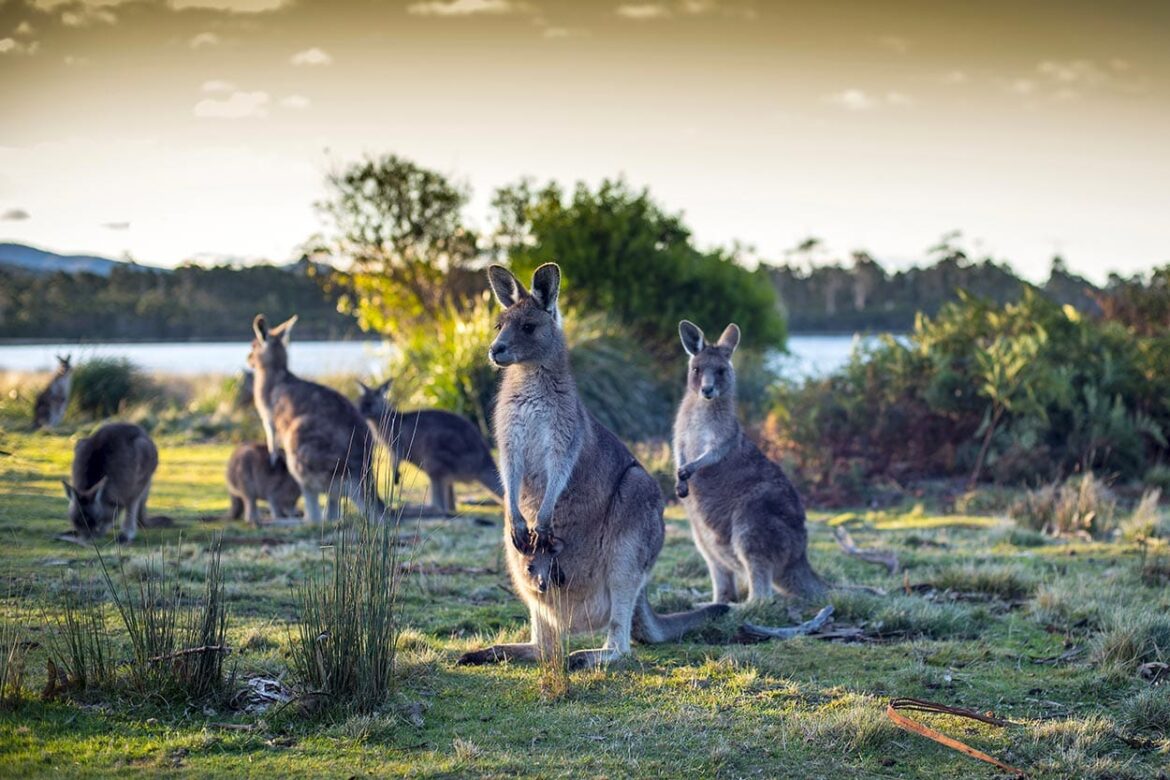
Mornings are crisp, often accompanied by low-lying fog in valleys, creating ethereal landscapes where forests appear shrouded in mist and rivers reflect muted skies. Afternoons are warm but rarely oppressive, ideal for extended hikes or scenic drives. Wildlife is more active during these temperate hours, increasing the chances of spotting kangaroos grazing in open fields, wallabies moving quietly through bushland, or birds flitting among colorful leaves.

Pages: 1 2

Advertising

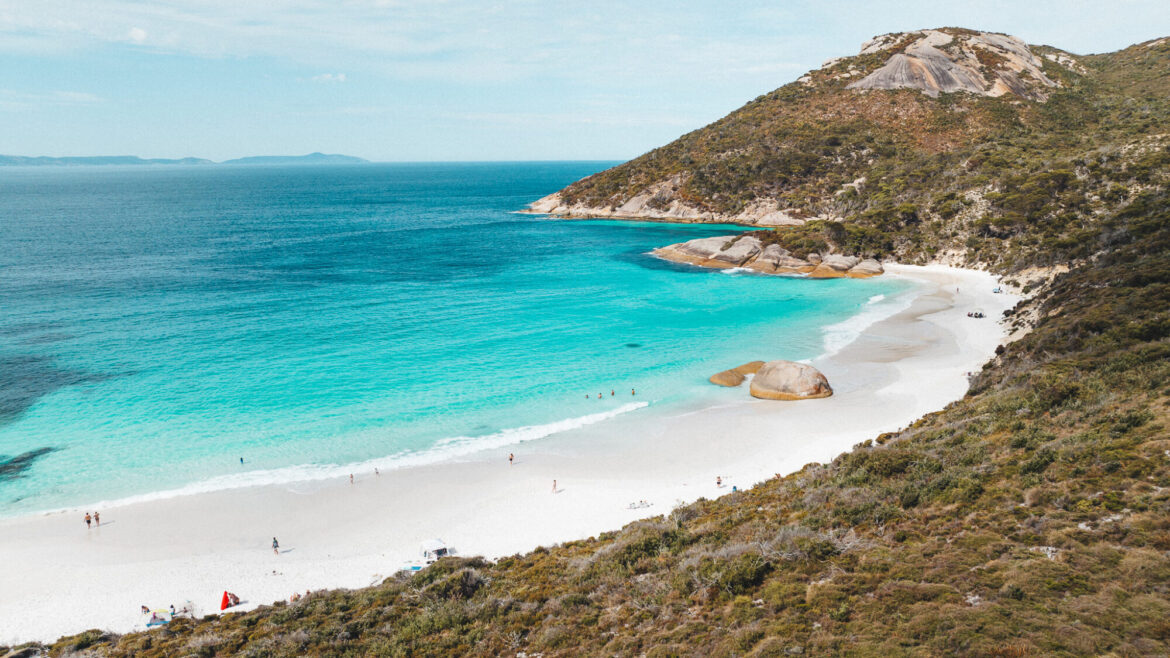
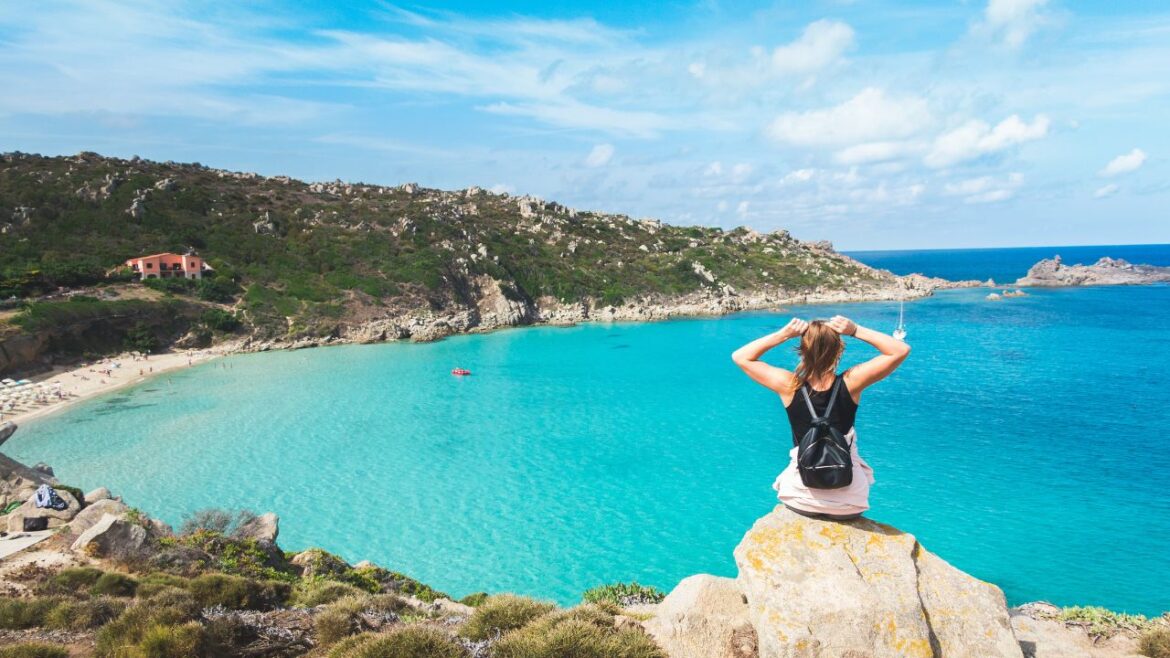
Western Australia’s coastline is often celebrated for its vast, sun-drenched beaches and world-renowned surf breaks, yet beyond these iconic destinations lie hidden bays that invite a slower, more reflective experience. These quieter stretches of water offer a perfect counterpoint to the rush of everyday life — spaces where travelers can linger, watch the tide, explore coves, and immerse themselves in natural beauty without distraction. Slow travel in these bays is about more than just a change of pace; it’s about noticing the subtle rhythms of the coast, observing wildlife, and feeling fully present in a landscape that feels almost untouched.

1. Eagle Bay, Margaret River Region

Eagle Bay, nestled near the southern reaches of the Margaret River region, is a serene escape from the busier nearby beaches. The bay is sheltered by limestone headlands, creating a calm, turquoise lagoon ideal for swimming, paddleboarding, or simply watching waves lap against the sand. Early mornings are magical here, when mist hovers lightly over the water and the first light of day glints off the wet sand.

Slow travel at Eagle Bay involves lingering walks along the shoreline, observing birds feeding at the water’s edge, or pausing at small rock pools to watch crabs scuttle and fish dart. The bay’s quiet charm is enhanced by minimal commercial development, allowing visitors to feel like they are stepping into a private sanctuary. For those who appreciate gentle adventures, renting a kayak or simply sitting and reading on a sun-warmed rock offers a fully immersive experience of place and time.

Pages: 1 2

Advertising

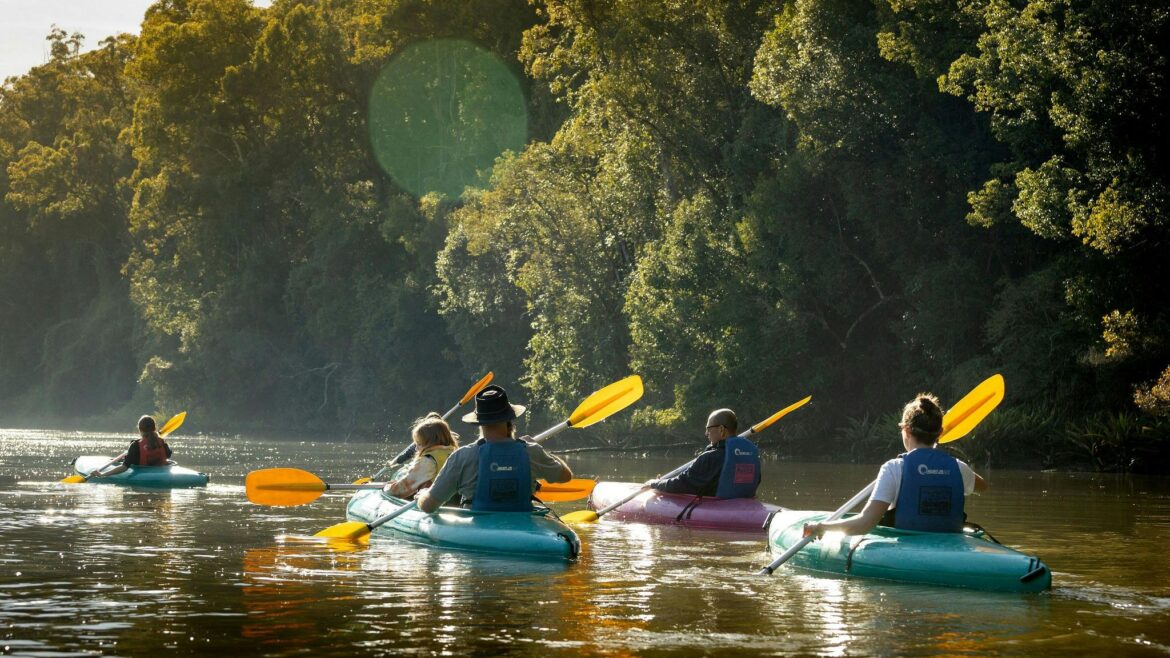
Kayaking is one of those experiences that blends exhilaration, serenity, and a deep sense of connection to nature. Gliding across calm waters, surrounded by untouched landscapes, gives a perspective that few other outdoor activities can offer. For beginners, however, choosing the right route is key. The balance between safety, scenery, and a manageable challenge transforms a first outing from an anxious experiment into an unforgettable adventure. Fortunately, Australia offers numerous waterways perfectly suited for novice paddlers, where gentle currents, sheltered bays, and stunning vistas combine to build both confidence and enjoyment.

1. Noosa Everglades, Queensland

The Noosa Everglades are a hidden gem for kayaking beginners. Often referred to as one of only two everglades systems in the world, this network of calm, tea-colored waterways winds through paperbark forests and wetlands alive with wildlife. Early mornings are ideal; the water is smooth, the air is cool, and the birds are active. Black swans glide silently by, kingfishers dart along the edges, and the occasional rainbow lorikeet flashes brilliant color through the canopy.

Routes here are flexible, ranging from short loops near the launch points to extended explorations that take a few hours. Because the water is sheltered and current is minimal, beginners can focus on learning paddle technique, maintaining balance, and enjoying the surroundings without stress. Even minor waves caused by passing boats rarely disturb the overall tranquility. For a beginner, the combination of serene water, abundant wildlife, and a variety of route lengths creates a gentle yet memorable introduction to kayaking.

2. Pittwater, New South Wales

North of Sydney, Pittwater offers calm estuarine waters perfect for novice kayakers. The area is surrounded by forested ridges, small beaches, and quiet coves, providing both scenic beauty and a safe environment. Launching from Palm Beach or Church Point, beginners can explore sheltered waters while remaining close to shore, which offers an added layer of security.

Pittwater is also notable for its historical and cultural context. Aboriginal heritage sites are scattered along the shoreline, and informative signage marks areas of ecological significance. Paddlers often spot dolphins, pelicans, and black swans along the way, making wildlife observation an integral part of the experience. Because the waters are typically protected from strong ocean swells, even a novice can navigate the area confidently while still feeling immersed in nature. Local kayaking tours often provide guidance and safety equipment, but self-guided paddling is entirely feasible for those who prefer a slower, independent pace.

Pages: 1 2

Advertising

Tasmania is a land where nature feels immediate and intimate, where every coastline carries a sense of untamed beauty. The island’s shores, from secluded sandy coves to rugged headlands, provide some of the most rewarding wildlife-watching experiences in Australia. Unlike the crowded safari parks or guided reserves of the mainland, Tasmania offers moments of quiet observation, where gentle encounters with local fauna are often unscripted, unhurried, and deeply memorable.

The key to these experiences is timing. Early morning or late afternoon, when the light softens and human activity is minimal, offers the most rewarding interactions. During these periods, animals are active, visible, and often more relaxed, providing opportunities to observe natural behaviors without intrusion. The island’s relatively low population density and widespread protected areas create an environment where wildlife can be approached with care, rather than startled by frequent human presence.

Secluded Beaches and Curious Creatures

Tasmania’s coastlines vary dramatically. Along the eastern shores, such as the Freycinet Peninsula, soft sand beaches meet crystal-clear waters, often bordered by pink granite formations. Walkers are greeted by the tracks of local wildlife — the footprints of wallabies weaving through dunes, the occasional paw prints of the elusive quoll, or the delicate impressions left by seabirds. Short detours into dune systems or bush patches can reveal shy echidnas rooting through leaf litter or small lizards basking on warm rocks.

At Wineglass Bay, the climb to the lookout is popular, but along the less-trodden coves, walkers often find themselves sharing the beach with black-faced cormorants and little penguins returning from the sea. Observing these creatures requires patience: stand still, keep voices low, and allow animals to carry on with their routines. In these moments, the rhythm of the natural world unfolds almost theatrically, as if the shoreline itself were a stage.

Pages: 1 2

Advertising

Australia’s coastline has always held a special kind of magic. From golden beaches to rocky cliffs, winding paths, and hidden coves, the coast invites exploration at a pace that allows both body and mind to unwind. Weekend mornings, in particular, are the ideal time to immerse yourself in these landscapes. The air is crisp, the sun is gentle, and the world feels quietly alert, yet unhurried. Coastal trails, whether tucked near urban centers or stretching along more remote shores, offer an intimate way to connect with both the natural environment and your own rhythm.

1. Manly to Spit Bridge Walk, Sydney

Sydney’s Manly to Spit Bridge walk is one of the city’s most celebrated coastal trails, spanning approximately 10 kilometers through lush bushland and stunning water views. Early on a Saturday morning, the path is calm, with only a few joggers and dog walkers greeting the rising sun. The trail meanders past secluded beaches and sandstone cliffs, offering vantage points over the Pacific where ferries drift lazily through sparkling water.

Along the way, native birds — lorikeets, cockatoos, and kookaburras — punctuate the stillness with calls that echo through the trees. Small bays, like Clontarf and Reef Beach, appear like secret gems along the route. A short pause here allows walkers to watch kayakers paddle by and notice how sunlight glances off the water in fleeting, glittering patterns. Though the trail is popular, starting early ensures that it feels like a private escape, with the surrounding bushland softening the distant hum of the city.

2. Bondi to Coogee Coastal Walk, Sydney

Few walks are as iconic as Bondi to Coogee, but there’s more to it than its reputation. Early morning brings a different perspective — the usual crowds of tourists and Instagrammers are replaced by surfers carrying boards and locals enjoying pre-work runs along the cliff edges. The sun casts a warm glow over Bondi Beach’s white sand before it intensifies into the afternoon heat.

The trail offers diverse scenery: rugged cliffs that rise sharply from the ocean, quiet coves tucked between sandstone rocks, and stretches of golden sand that invite short detours. Sculpture, art installations, and rock pools add layers of interest, and early light creates reflections in tidal pools that are easily missed later in the day. Cafes along the route, such as those near Bronte, begin opening as walkers finish sections, allowing for a well-earned coffee with a view of the surf.

Pages: 1 2

Advertising