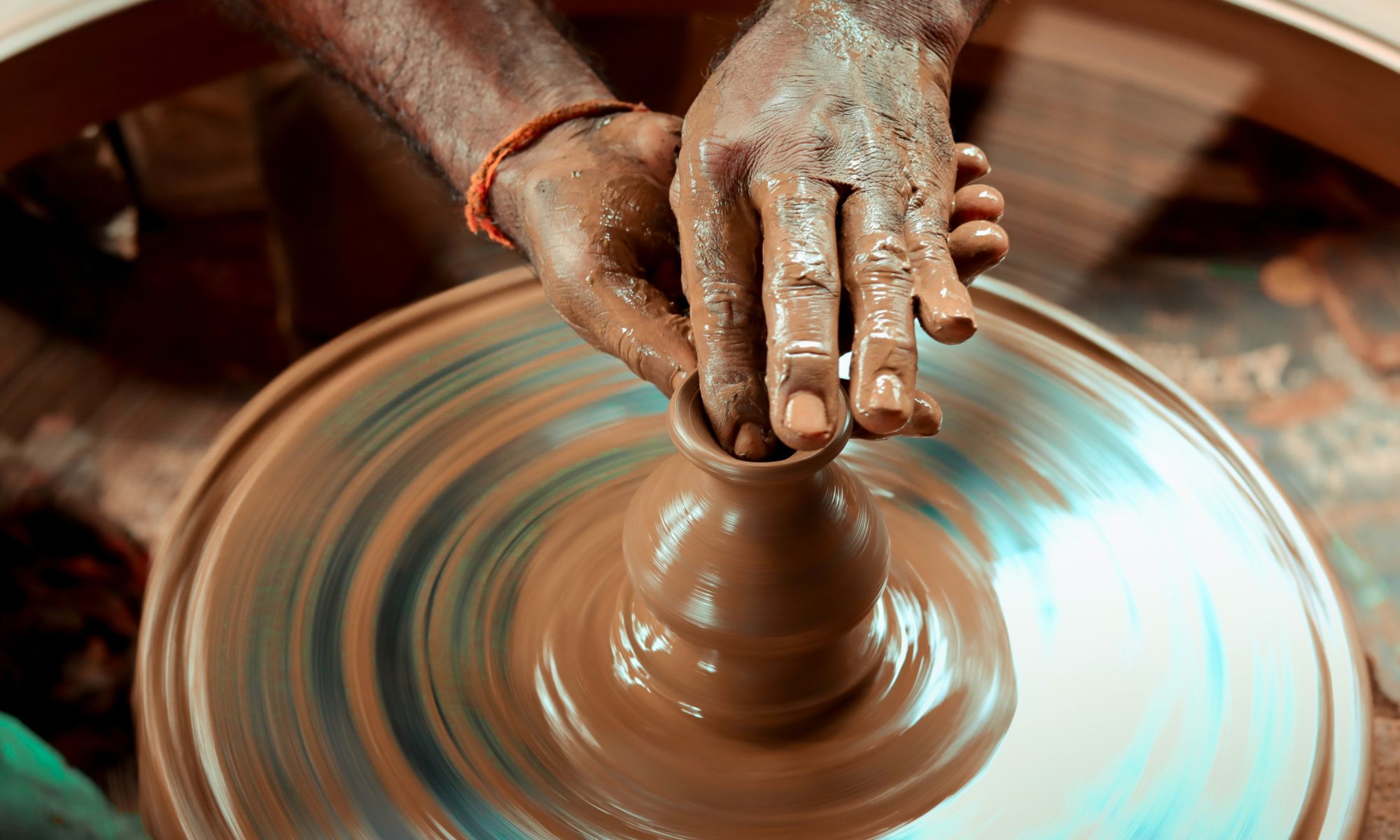
In many cities around the world, the quiet rhythm of traditional craftsmanship once seemed destined to fade into memories. For decades, mass production shaped daily life, making handmade objects feel like relics of a distant past. Yet something unexpected is happening. Instead of disappearing, the old ways are returning — not as nostalgic decoration, but as a living, evolving practice. Small workshops run by dedicated artisans are giving traditional crafts a new pulse, inviting local communities to rediscover the value of slow, thoughtful creation.
Advertising
This revival is neither a trend nor a fleeting curiosity. It grows from genuine interest in authenticity, story, and connection. When a person steps into a workshop that smells of wood shavings, clay, leather, or natural dyes, they are stepping into a space where things are made the way they were long before industrial machinery dictated pace and uniformity. And today, these workshops are appearing in unexpected corners — behind restored storefronts, in converted basements, on quiet side streets that rarely see tourist cameras.
Rediscovering Roots in a Rapid World
Many artisans involved in this revival did not inherit workshops from grandparents or follow a family business. Instead, they arrived after searching for meaning in their work. Some left office jobs to pursue weaving or dyeing. Others, curious about lost techniques, studied archives and old manuals. A number of artists learned their craft from elderly masters who feared their skills might vanish with time.
Take the example of Clara M., a ceramicist in Adelaide whose studio occupies a compact former laundry room behind her townhouse. She began with evening courses, fascinated by clay’s unpredictability. Now, her shelves display bowls and vases shaped with a subtle asymmetry, showing the mark of the hand. Clara can talk for hours about regional clay types, the history of glazes, and firing temperatures, but the essence of her work is simple: making objects that feel alive.
Or consider the tiny woodworking studio in the outskirts of Wellington run by father and son duo Thomas and Eli. They restore antique furniture using joinery methods that date back centuries — no synthetic fillers, no shortcuts. Their workshop is filled with the soft rasping sound of hand planes and a warm scent of linseed oil. They say their clients come not only for repairs but to learn how to care for pieces already in the family for generations.