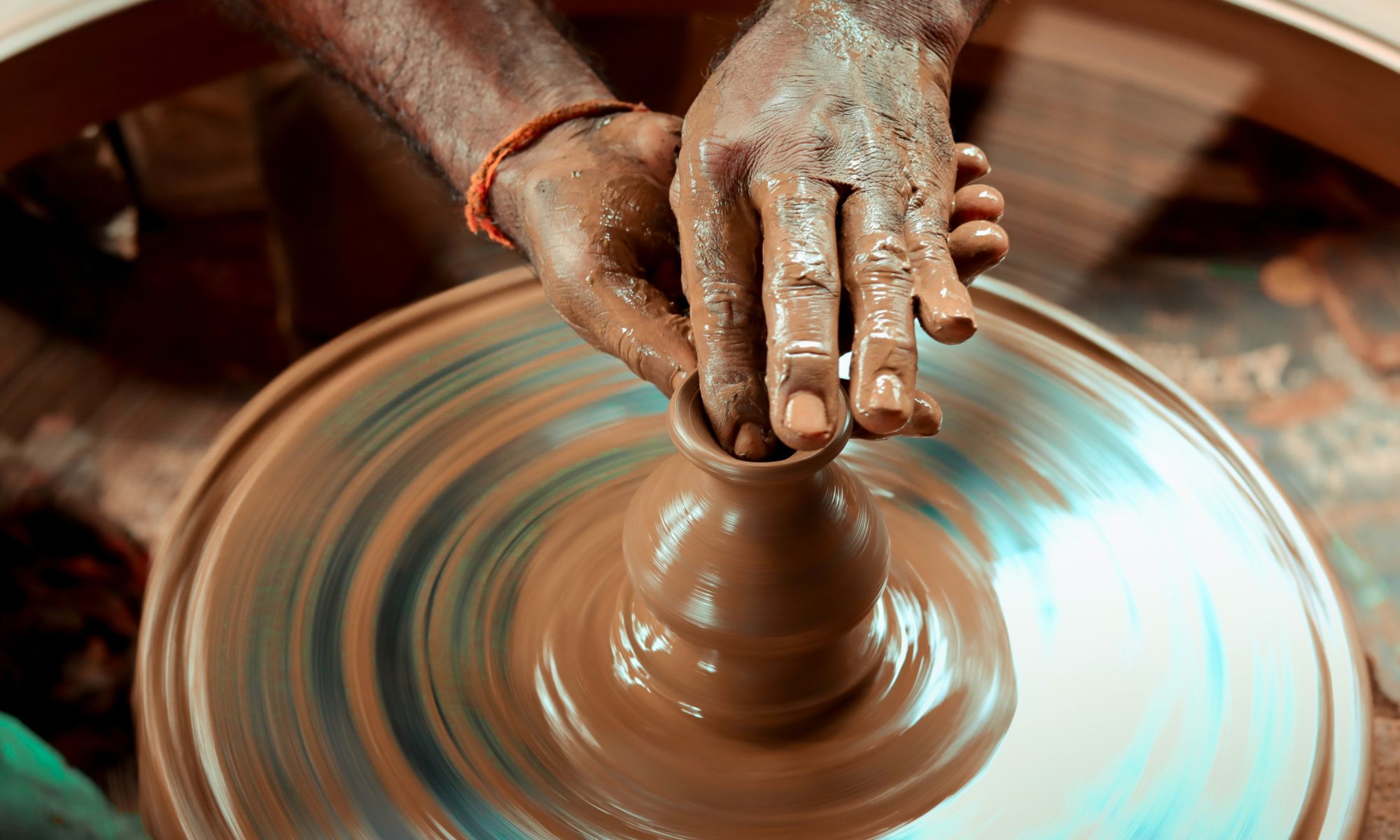
Craft as Cultural Memory
Traditional crafts often carry regional stories. Techniques reflect climate, available materials, and local customs. When young artisans choose to learn them, they preserve more than a skill — they protect a fragment of cultural identity.
Advertising
In small towns along the coast of northern Spain, workshops specializing in natural-fibre basketry have begun teaching classes to visitors and teenagers. Techniques once used for fishing tools or agricultural baskets now appear in sculptural installations and home décor, yet the method remains faithful to the original weaving patterns. One workshop founder explained that she feels like a bridge connecting past and present, giving local heritage a new chapter.
Similarly, in Southeast Asia, a group of textile makers revived traditional hand-dyeing methods using indigo plants grown in community gardens. Their workshop functions as both a studio and a learning center. People gather there not just to purchase fabrics, but to participate in dyeing sessions, where their hands turn deep blue as they twist, fold, and dip cloth into the vats. The experience is physical, meditative, and surprisingly social — a reminder that many crafts were traditionally communal.
Small Spaces, Subtle Transformations
What stands out about many of these workshops is their size. These are not grand ateliers or designer showrooms. Some operate in a single-room studio with one table and a few tools. Others occupy repurposed storage units or backyard sheds adapted with care.
Their intimate scale becomes an advantage. Visitors witness the entire process: the raw materials, the shaping, the mistakes, the corrections. The transparency creates trust. Clients feel connected to the maker in a way that mass-produced goods rarely allow.
In Copenhagen, a leatherworker named Henrik keeps his entire workshop in a space no larger than a train compartment. Every belt buckle, stitch, and edge beveling is done on a wooden bench that he inherited from his mentor. He displays only a small assortment of finished pieces, but each item carries its own meticulous detail. Henrik says that working in such limited space encourages discipline and clarity: “If I bring something into the workshop, it must earn its place.”
Community as the New Backbone
One of the most unexpected outcomes of this craft revival is how strongly community now shapes a workshop’s success. Years ago, artisans worked quietly, often alone, relying on occasional commissions. Today, many makers open their doors to their neighborhoods, creating spaces that are equal parts studio and gathering place.
These workshops host open evenings, skill-sharing circles, and collaborations with local schools. Children learn how to carve wood safely or shape a mug on a potter’s wheel. Adults discover that embroidery can become a calming ritual. Older residents, who once practiced these crafts as part of everyday life, suddenly find themselves guiding younger makers.
In Toronto’s Chinatown, a calligraphy studio run by two sisters offers free Saturday sessions where anyone can pick up a brush. Participants are taught not only how to move ink across paper, but also the cultural context behind each stroke. The room often fills with quiet focus, interrupted occasionally by laughter or shared stories.
Similar environments exist across Europe, Asia, Oceania, and the Americas: intimate spaces that encourage slow creation and shared learning. The workshops act as cultural anchors, spaces where people reconnect with tradition while shaping new interpretations for the modern world.
Sustainability Through Craft
Another reason for this renewed interest in traditional crafts is the growing awareness of environmental responsibility. Many artisans source local materials, reduce waste, and use tools designed to last decades. Natural dyes replace synthetic ones; wooden tools outlive plastic counterparts; upcycled fabrics become unique garments rather than landfill.
In a small town in the south of France, a textile studio uses scraps collected from surrounding tailor shops to create patchwork throws. Each piece is assembled from irregular shapes, stitched together into patterns that echo regional quilts from centuries past. The studio’s founder explains that the method is practical rather than idealistic — “fabric is too precious to discard.” Her approach has influenced neighboring artisans, who now exchange leftover materials to minimize waste.
Such practices are not framed as slogans or marketing angles. They are simply part of the craft. Traditional methods often evolved from necessity, making efficient use of what was available. Today, that inherent respect for material resources aligns naturally with modern environmental thinking.
The Emotional Value of Handmade Work
While the physical objects crafted in these workshops vary — bowls, baskets, notebooks, wooden spoons, woven scarves — they all share something intangible: a sense of presence. Handcrafted items feel different to hold. The texture, weight, and subtle imperfections form a quiet language, reminding the user that a person shaped this object with intention.
People who purchase items from small workshops often describe them as anchors in their daily routines. A hand-thrown mug becomes the vessel for morning rituals. A carved wooden board becomes the centerpiece of weekend gatherings. A woven blanket becomes a family heirloom. The physical item is cherished, but the story behind it — the maker, the workshop, the techniques — often becomes just as important.
Passing Skills to the Next Generation
One of the most heartening aspects of the current revival is the number of younger makers stepping forward. Social platforms and online tutorials initially introduced them to crafts, but many soon sought in-person mentorship. Workshops responded by offering structured apprenticeships or short-term residencies.
In Kyoto, for example, a lacquer workshop run by a master in his seventies has taken on two apprentices in their twenties. They train six days a week, preparing surfaces, mixing materials, and practicing brushwork for hours. The master explains that he once feared his practice would end with him. Now, he sees the next generation bringing curiosity and fresh perspective.
The same trend appears in South America, where young artisans are learning pre-Columbian weaving patterns from elderly craftswomen. What began as an attempt to document dying techniques evolved into a cross-generational partnership, strengthening both cultural heritage and the livelihood of remote communities.
Looking Ahead
The resurgence of traditional crafts is not about turning back the clock. Instead, it is about carrying forward knowledge that might otherwise disappear. These workshops do not attempt to replicate the past; they reinterpret it for the present, adapting materials, designs, and methods to contemporary needs.
Their continued growth depends on the same values that sparked their revival: curiosity, patience, and appreciation for human skill. As long as people seek meaningful objects — items shaped with care rather than produced through uniform processes — small workshops will continue to thrive.
Stepping into one of these studios, you can almost feel time slowing. You hear tools working steadily. You see a piece taking shape, one attentive gesture after another. And you understand why these spaces matter. They remind us that artistry is not confined to galleries or museums — it lives in the quiet corners of our towns, in hands that know how to shape raw materials into something lasting.